
Key dates
From Soualiga to Sint Maarten and Saint-Martin: the island’s story in a few steps.
Before the Europeans
Before 1493
Soualiga and Oualichi
The first inhabitants were Amerindians who came from South America up the chain of the Antilles: Arawak peoples, then the Kalinago, whom Europeans would call Caribs. The island’s two old names are attributed to them: Soualiga, “land of salt,” and Oualichi.
The colonial era
1493
Named after a saint
According to tradition, Christopher Columbus sighted the island on his second voyage on November 11, the feast of Saint Martin, and named it after the saint. Historians still debate it, but the name stuck.
1631
Salt brings the Dutch
The Dutch settled to harvest salt from the ponds, valuable in Europe for preserving fish and meat. They built Fort Amsterdam on the point between Great Bay and Little Bay.
1633
Fifteen years of Spanish rule
The Spanish seized the island. In 1644, Peter Stuyvesant, later governor of New Amsterdam (today’s New York), tried to take it back: he failed and lost a leg.
1648
The Treaty of Concordia
Once the Spanish left, the French and Dutch signed the Treaty of Concordia on March 23, 1648, and split the island. Legend has it the border was drawn by two men walking back to back: the Frenchman, drinking wine, supposedly went farther than the Dutchman, drinking gin. Today the French side covers about 20 sq mi and the Dutch side 13 sq mi.
1648 to 1817
A shifting border
Through Europe’s wars, the island changed hands several times, the English included. Today’s division was only settled in the early 19th century.
1789
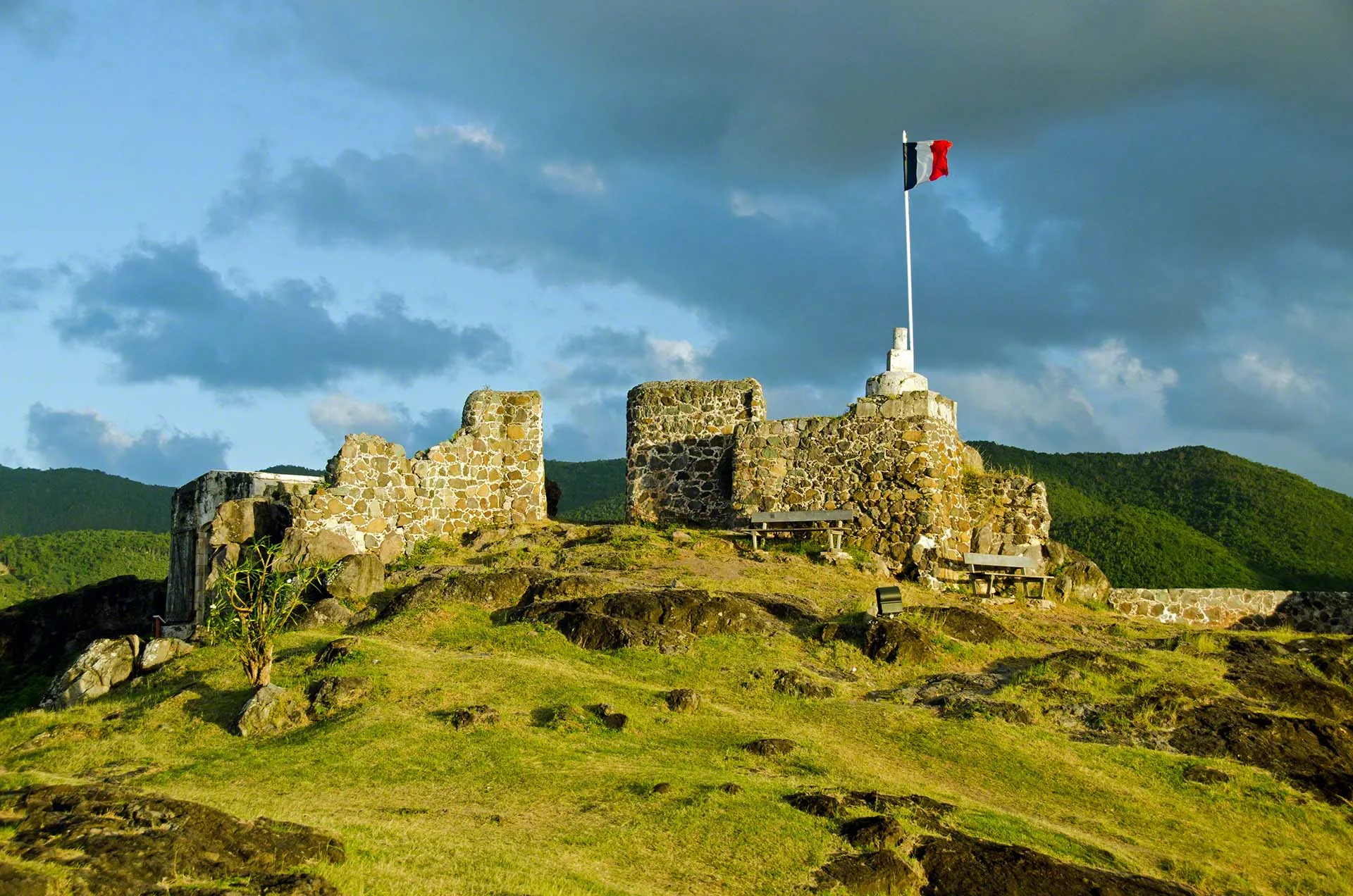
Fort Louis
On the orders of Louis XVI, Governor Jean-Sébastien de Durat built Fort Louis above Marigot to protect the harbor warehouses from pirates and from the English on Anguilla.
18th and 19th centuries
Sugar, cotton and salt
Sugar cane and cotton plantations, and the Philipsburg salt ponds, relied on the labor of enslaved Africans. At Rockland Estate, the Emilio Wilson Museum tells this story on the grounds of a former plantation.
1848 and 1863
Two abolitions
Slavery was abolished on the French side in 1848. On the Dutch side, it took until July 1, 1863: in between, enslaved people from the south fled north to be free. Both dates are public holidays today: May 28 on the French side and July 1, Emancipation Day, on the Dutch side.
The modern island
1942
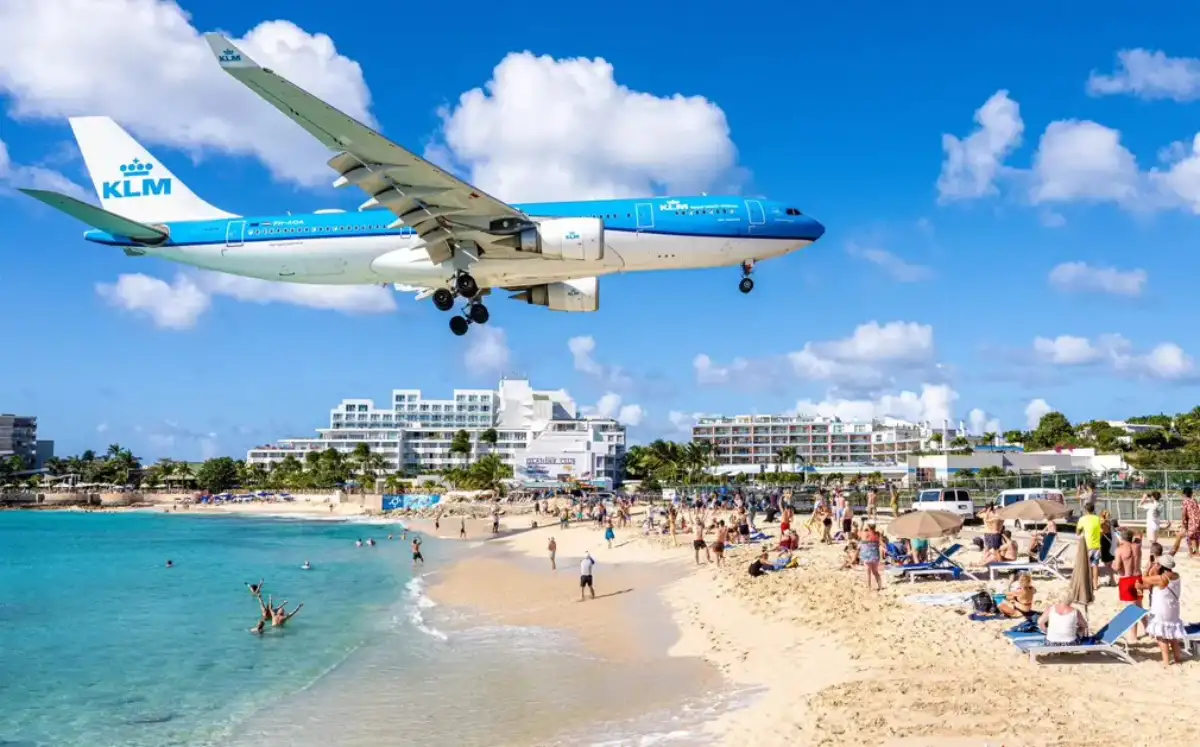
The airport runway
The US Army built a runway for anti-submarine patrols. Now Princess Juliana Airport, it opened the island to tourism and made Maho Beach famous.
1948
Three centuries of friendship
For the treaty’s 300th anniversary, an obelisk was raised on the road between Marigot and Philipsburg. It still marks the border, with no barrier and no customs.
2007 and 2010
Two new statuses
In 2007, Saint-Martin left Guadeloupe to become an overseas collectivity of France. On October 10, 2010, Sint Maarten became a constituent country of the Kingdom of the Netherlands.
2017
Irma
On September 6, 2017, Category 5 Hurricane Irma hit the island head-on. Rebuilding took years; a few places, such as the Butterfly Farm in Le Galion, never reopened.
Festival calendar
The big events of the year. Exact dates change from year to year: check them in our events calendar.
-
February or March
Carnival. On the French side, parades in Marigot through Mardi Gras, whose date depends on Easter.
-
March
Heineken Regatta. The island’s big sailing regatta, in Simpson Bay.
-
April
St. Maarten Carnival. Several weeks of celebration in Philipsburg, with parades and J’ouvert at dawn.
King’s Day. April 27, the King’s birthday on the Dutch side.
-
May
Abolition Day. May 28, a public holiday on the French side.
-
July
Emancipation Day. July 1, a public holiday on the Dutch side.
Bastille Day. July 14, on the French side.
-
September
Heritage Days. Tours and events on the French side.
-
November
St. Martin Day. November 11, the island’s day and a celebration of friendship between the two countries, a holiday on both sides.
Gastronomy Festival. Workshops, tastings and events around local food.
The island today
Two countries, one Creole culture, made of the whole Caribbean.
Languages
French and Dutch are the official languages, but English is spoken everywhere, in a lilting local version. With over 120 nationalities, you will also hear Spanish, Haitian Creole and Papiamento. A “good morning” when you walk into a shop always goes a long way.
Food
Street food is best at the Grand Case lolos: chicken, ribs, grilled fish, conch stew and johnny cakes. Toast with Guavaberry, the island’s liqueur, and come in November for the Gastronomy Festival.
Music and celebrations
Calypso, soca and steel bands set the beat for carnival on both sides. The rest of the year, live music fills the bars of Grand Case, Simpson Bay and Marigot.
The Friendly Island
The nickname comes from the warmth of the people and from two countries living peacefully side by side with no visible border. At the Emilio Wilson Museum, at Rockland Estate, the island’s history helps explain where that spirit comes from.
Historic sites
Where to see history up close, from a fort to a market.
Fort Louis · Marigot
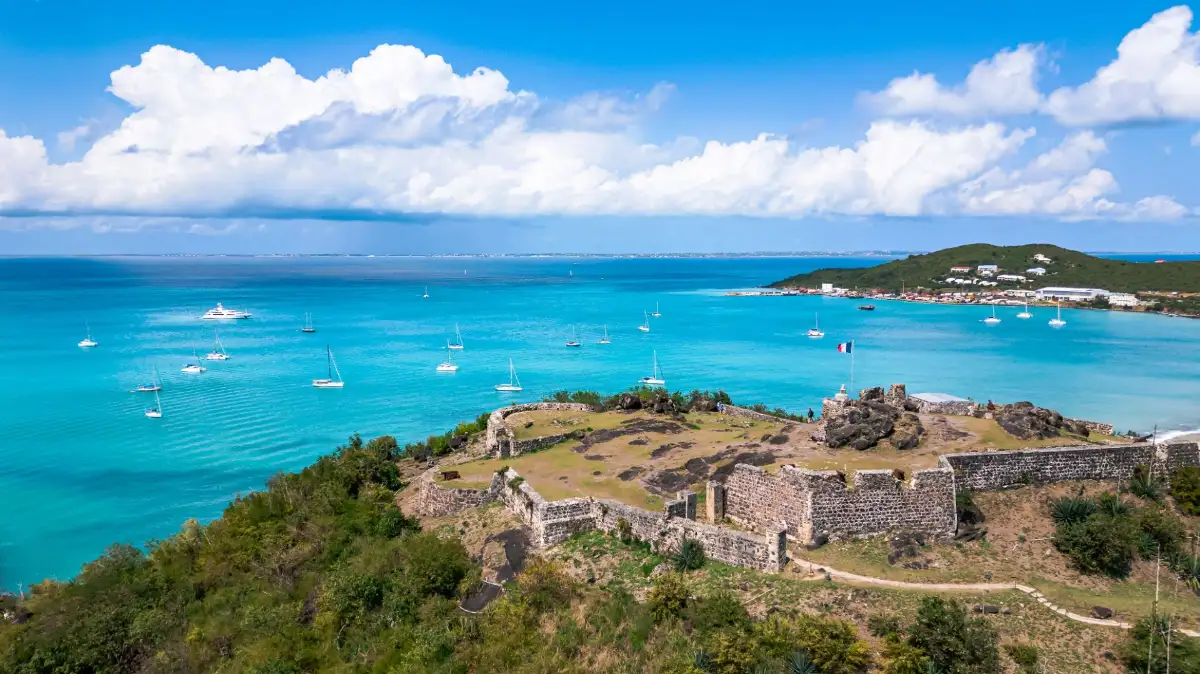
Ramparts from 1789 and a view over the bay, after 91 steps. Free. Our Marigot guide.
The Great Salt Pond · Philipsburg
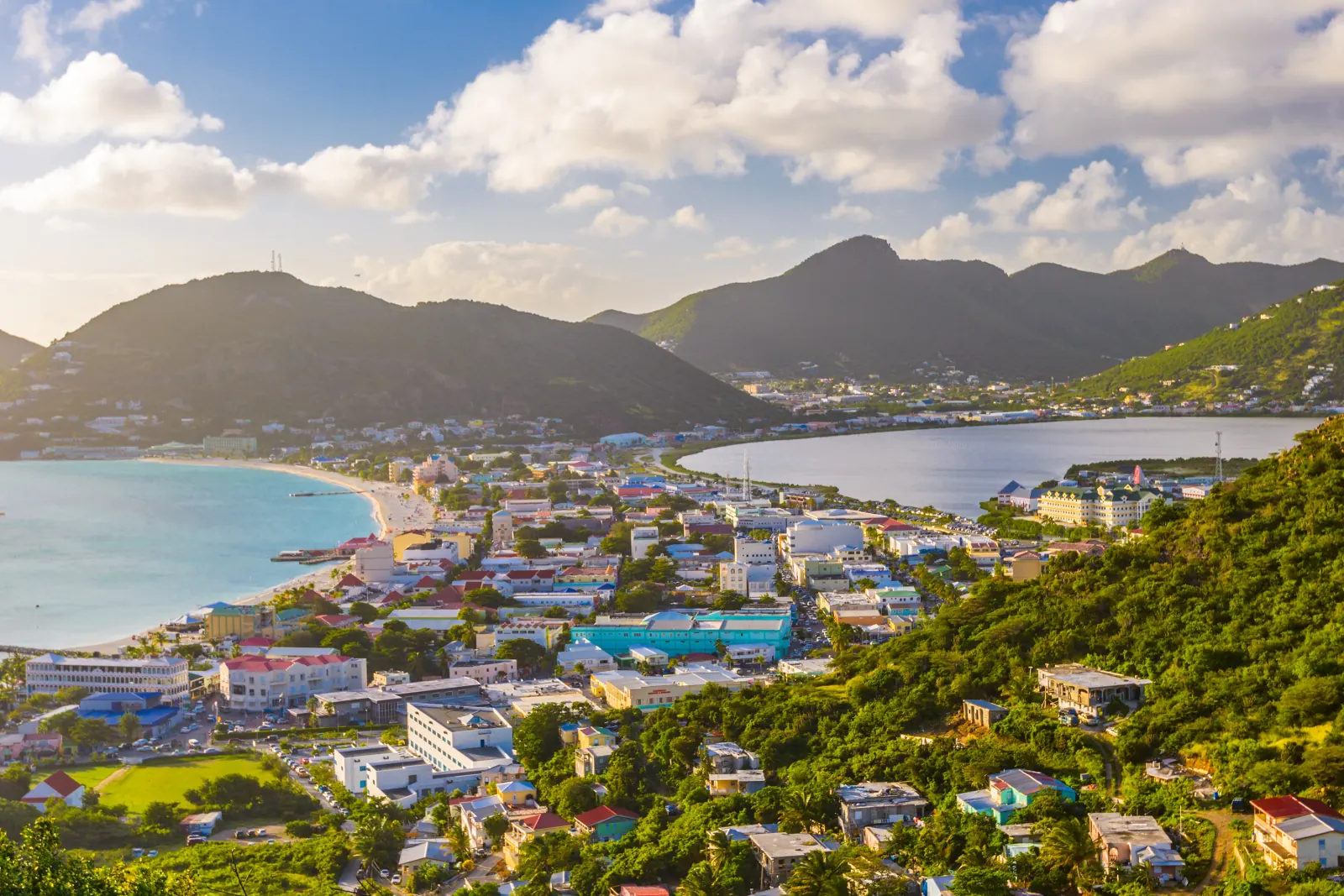
The large salt pond behind town, where salt was harvested for centuries. It is best seen from the hills. Our Philipsburg guide.
Front Street and the museum · Philipsburg
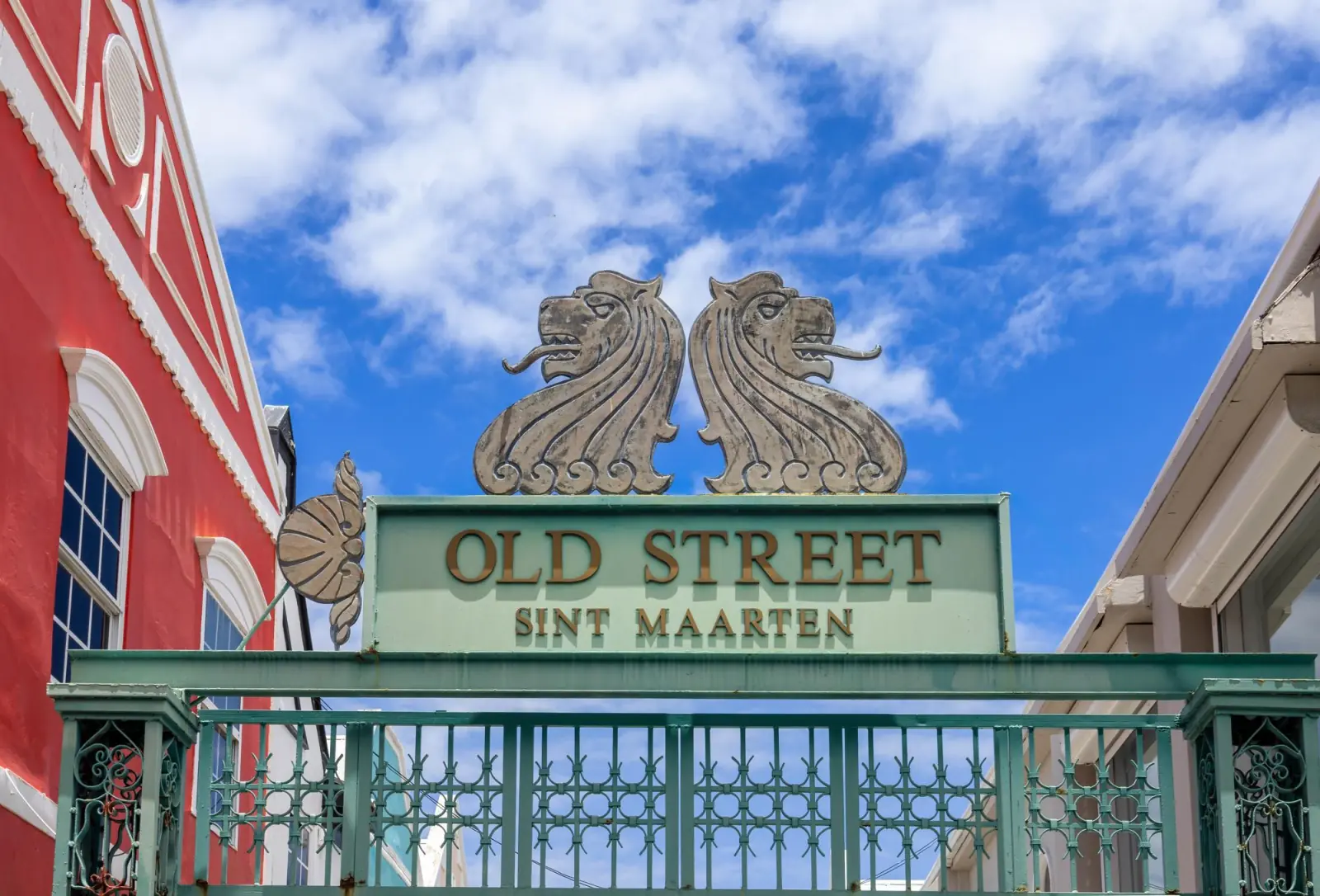
The historic street of the Dutch capital and the Sint Maarten Museum, which tells the island’s story. Our Philipsburg guide.
Rockland Estate · Up on Sentry Hill
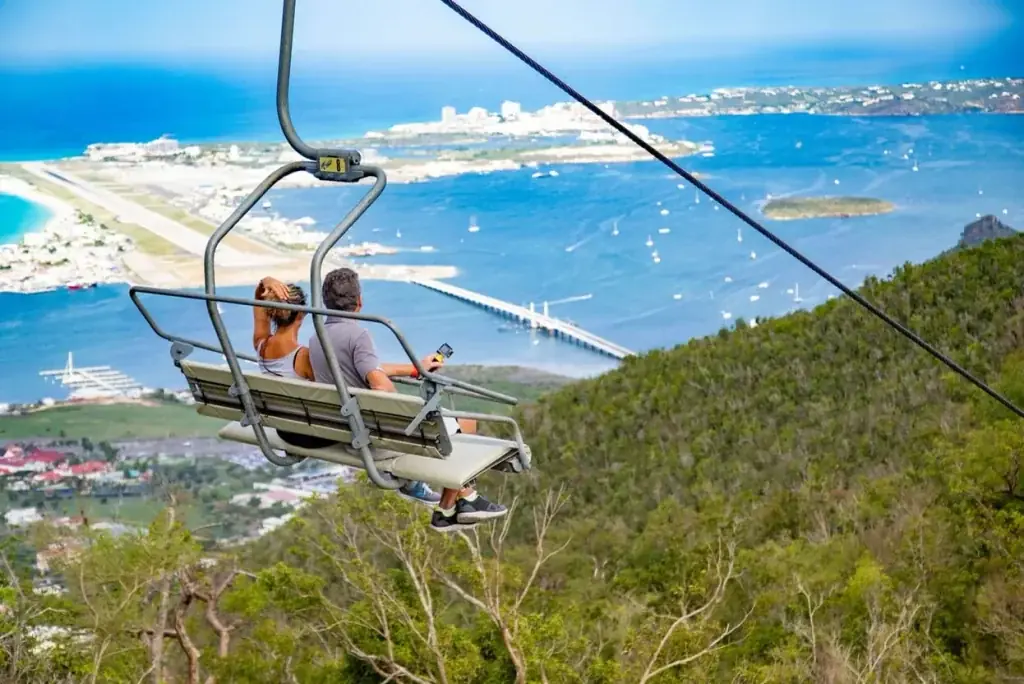
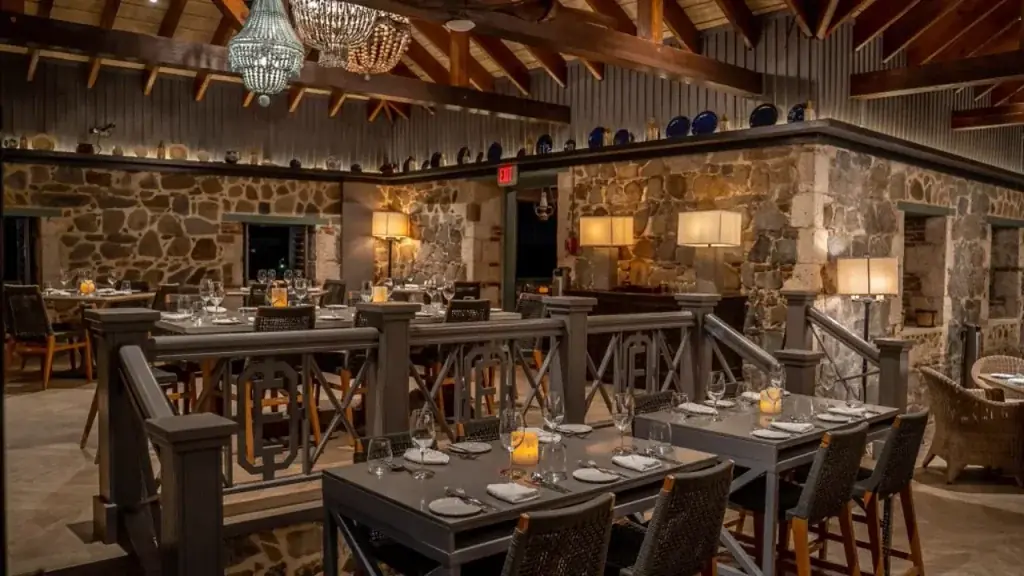
A former plantation, the Emilio Wilson Museum on slavery, and Emilio’s restaurant in the stone buildings. Rainforest Adventures.
The Marigot market · Marigot
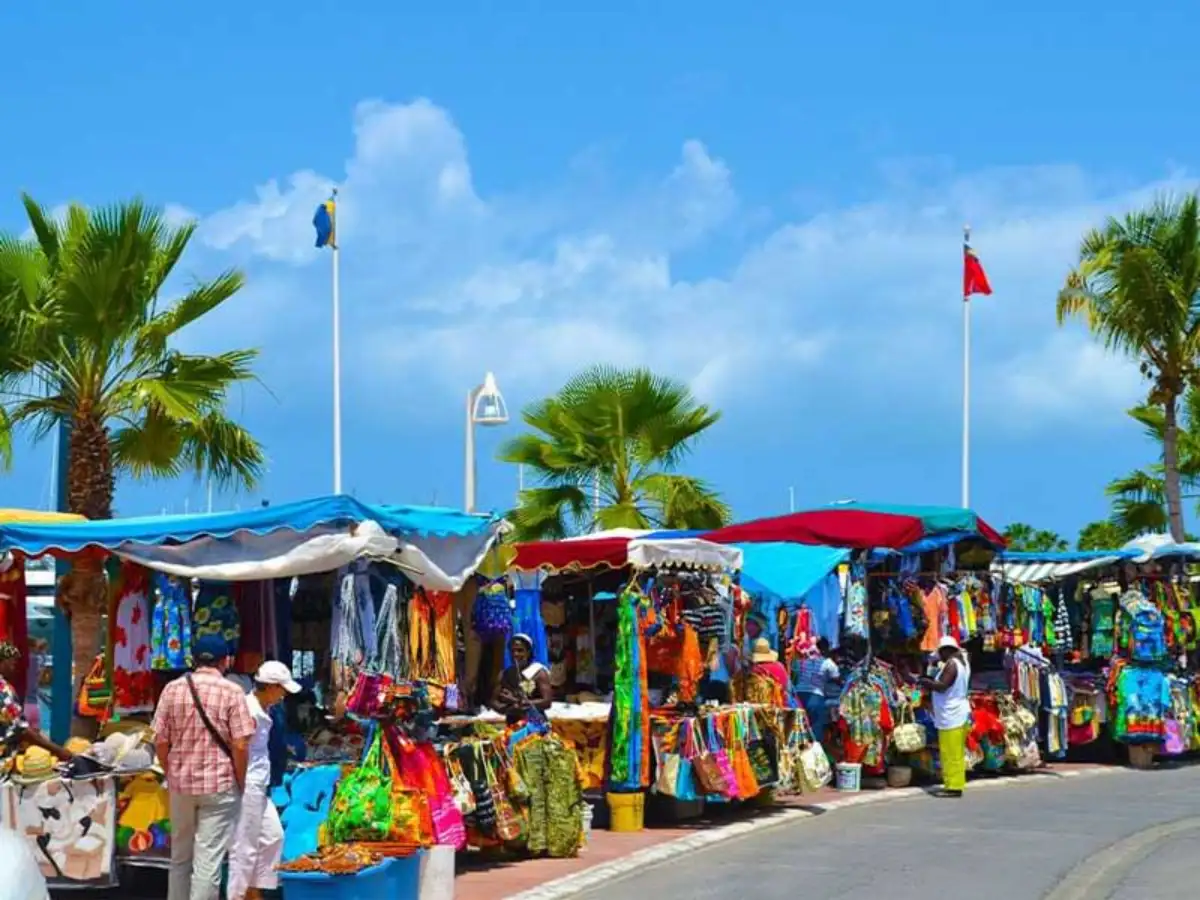
Living culture: spices, fruit, flavored rums and crafts, especially on Wednesday and Saturday mornings. Our Marigot guide.
The Grand Case lolos · Grand Case
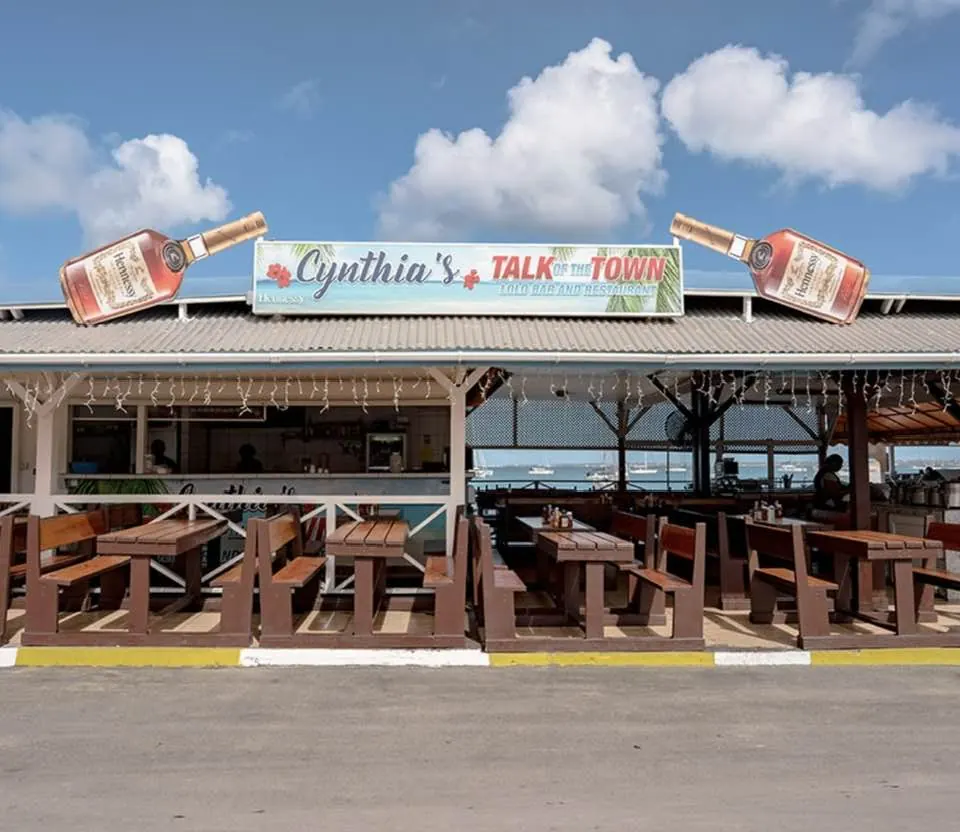
The island’s street food, around the grill, steps from the beach. Our Grand Case guide.
Also worth a visit
- Fort Amsterdam, the oldest Dutch fort on the island (1631): its ruins stand on the point between Great Bay and Little Bay.
- The border obelisk, raised in 1948 on the road between Marigot and Philipsburg, with both flags.
- Amuseum Naturalis, in Quartier d’Orléans: a free open-air museum about nature and heritage.
Local words
Words you will hear on the island.
- Soualiga
- Old Amerindian name of the island, “land of salt.”
- Oualichi
- Another Amerindian name of the island, used today by local shops and brands.
- Concordia
- The 1648 treaty that split the island, and the Marigot neighborhood named after it.
- Lolo
- A small open-air restaurant serving local food from a big grill.
- Johnny cake
- Fried bread, the side dish of every Creole meal.
- Lambi
- Conch, the big Caribbean shellfish, served stewed or as fritters.
- Guavaberry
- The island’s liqueur, made with rum and small wild berries from the hills.
- J’ouvert
- The carnival parade that starts at dawn, with music, in the streets of Philipsburg.
Frequently asked questions
Why is St. Maarten split between two countries?
After the Spanish left, the French and Dutch divided the island with the Treaty of Concordia, signed on March 23, 1648. The French side is part of France; the Dutch side is a country within the Kingdom of the Netherlands. You can cross freely from one to the other.
Who were the island’s first inhabitants?
Amerindians from South America: Arawak peoples, then the Kalinago. The names Soualiga, “land of salt,” and Oualichi are attributed to them.
What language is spoken in St. Maarten?
French on the French side, Dutch and English on the Dutch side. In practice, English is spoken everywhere, and you will also hear Spanish, Haitian Creole and Papiamento.
When is carnival?
On the French side, before Lent, through Mardi Gras (February or March). On the Dutch side, St. Maarten Carnival lasts several weeks in Philipsburg in the spring. Dates change every year: check our events calendar.
What is St. Martin Day?
On November 11, the feast of Saint Martin, the island celebrates its name and the friendship between its two countries. It is a public holiday on both sides.
Why is it called The Friendly Island?
For the warmth of its people and for two countries living peacefully together with no visible border for more than three and a half centuries.
Read next
- French side vs. Dutch side
- St. Maarten towns and neighborhoods
- Top sights in St. Maarten
- Island events calendar
Historical dates: Treaty of Concordia (1648), French abolition decree of 1848, Dutch abolition of July 1, 1863, 2007 and 2010 statuses. Information gathered in October 2026.