
St. Maarten Electricity: Plugs, Voltage and Adapters
St. Maarten has a quirk: each side of the island has its own electrical standard. US plugs and 110 V on the Dutch side, European plugs and 220 V on the French side. Here is how to know what you need, depending on where you stay and what you bring.
Updated October 2026
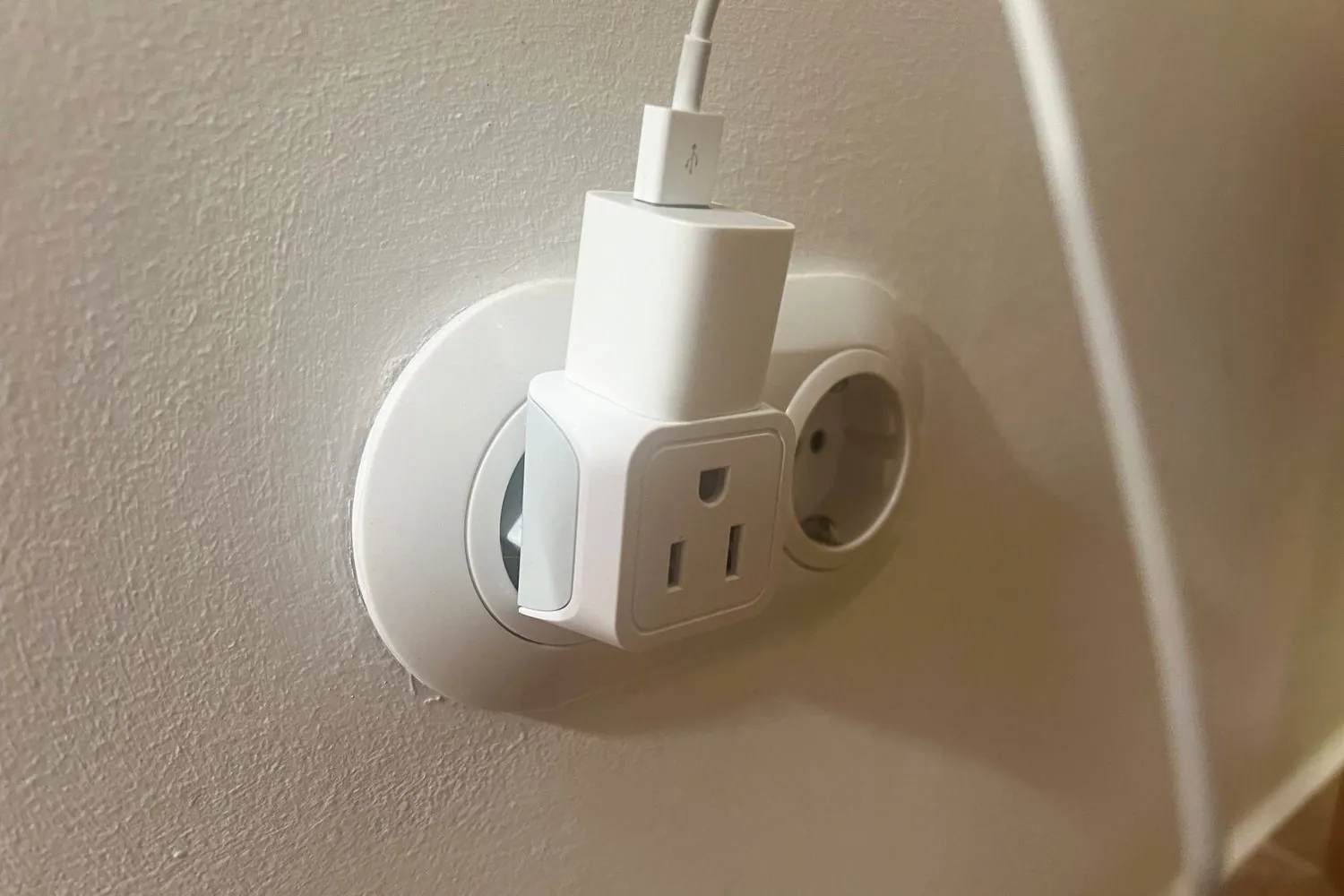
The essentials in 30 seconds
- Dutch side
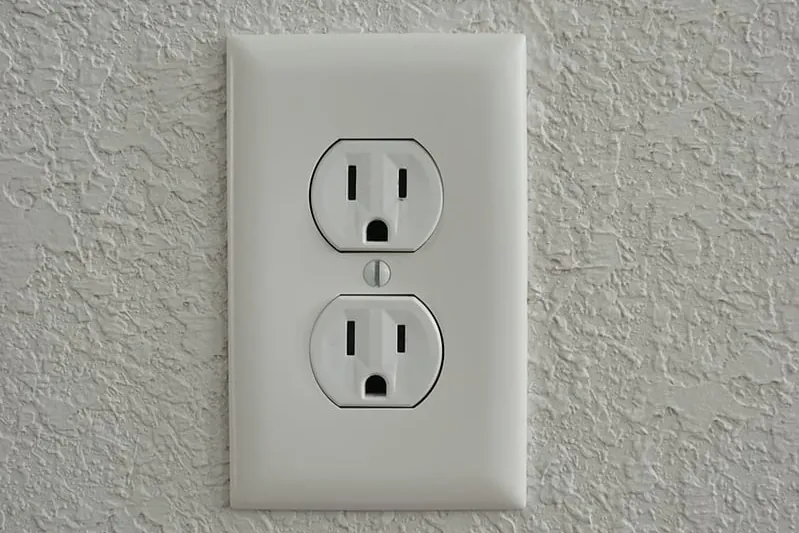
- US plugs (types A and B), 110 V.
- French side
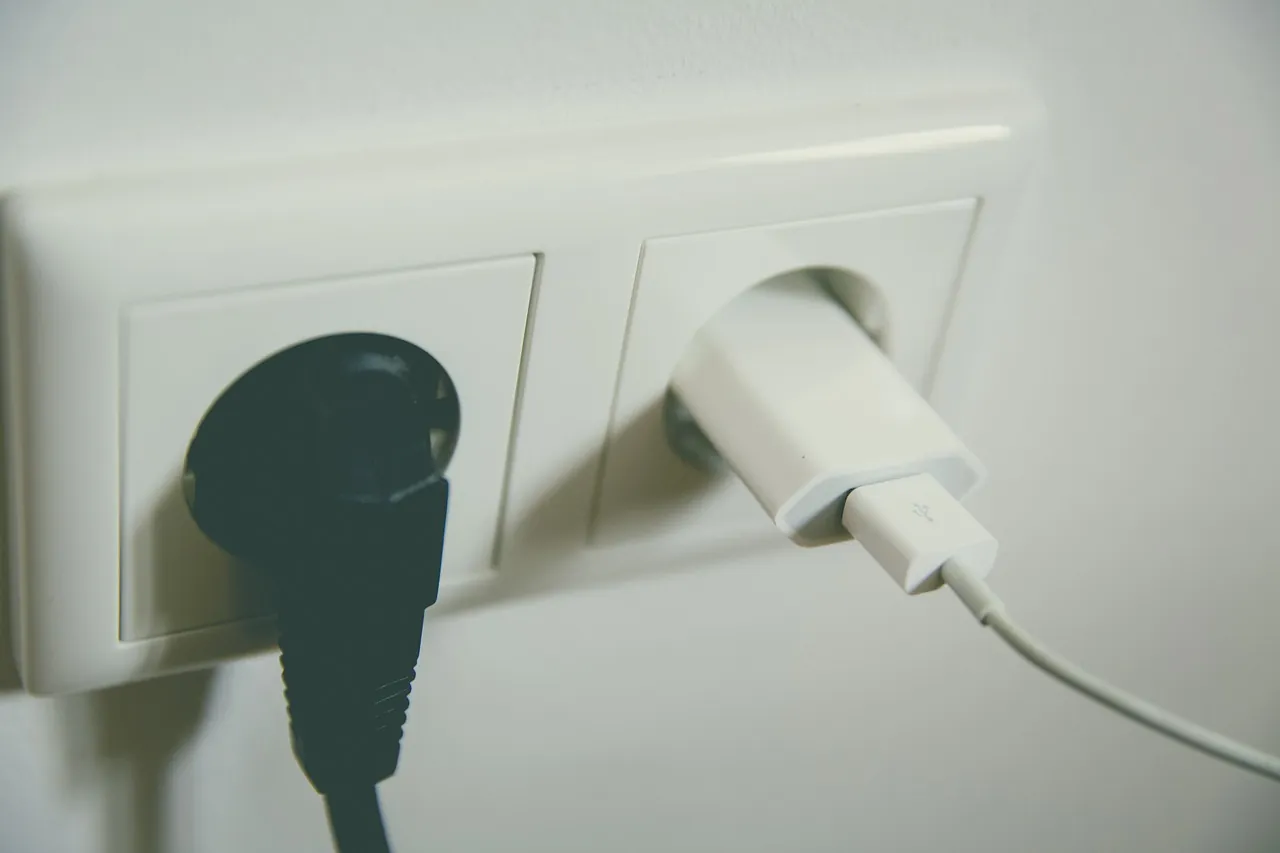
- European plugs (types C and E), 220 V.
- Coming from the US or Canada
- Nothing to bring for the Dutch side. On the French side, you need an adapter and devices that accept 220 V.
- Coming from France or Europe
- Nothing to bring for the French side. On the Dutch side, you need an adapter.
Two sides, two standards
What you need depends on which side of the island your hotel or rental is on, not on where you come from. Check the exact address of your accommodation before you pack.
| Topic | Dutch side | French side |
|---|---|---|
| Plugs | US style (A and B) | European (C and E) |
| Voltage | 110 V | 220 V |
| Same as | the US and Canada | France and Europe |
Adapter or converter?
An adapter only changes the shape of the plug. A converter (or transformer) changes the voltage. For most travelers, a simple adapter is enough.
Check the label on your device
On the charger or under the device, look for the "INPUT" line.
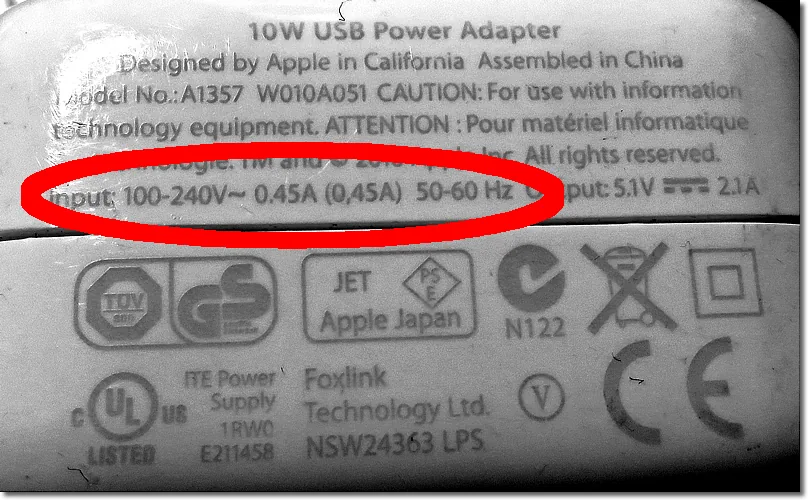
- If it says "100-240V", the device works everywhere: an adapter is all you need. This is the case for almost all phone, tablet, laptop and camera chargers.
- If it only says "110-120V", do not plug it into a 220 V outlet on the French side: you could damage it. This is often the case for US hair dryers, flat irons and shavers.
- If it only says "220-240V", it will not work properly on the 110 V of the Dutch side.
For hair dryers and flat irons, the easiest option is a dual-voltage travel model, or the one provided by your hotel or rental if there is one.
Depending on where you come from
From the US or Canada
On the Dutch side, you plug in just like at home. On the French side, bring an adapter for European outlets (type C) and check that each device accepts 220 V.
From France or Europe
On the French side, nothing changes. On the Dutch side, bring an adapter for US outlets (type A). Your chargers work on 110 V, but a device made only for 220-240 V will not work properly.
Our tips
- Buy your adapter before you leave: a universal adapter with USB ports lets you charge several devices at once.
- Pack one adapter per person if you travel with others.
- Ask your hotel or rental whether they lend adapters.
- If you stay on one side and spend the day on the other, keep your adapter in your bag.
Frequently asked questions
What plugs are used in St. Maarten?
On the Dutch side, US plugs (types A and B) and 110 V. On the French side, European plugs (types C and E) and 220 V.
Do I need an adapter in St. Maarten if I am from the US?
Only if you stay on the French side: you need an adapter for European outlets, and your devices must accept 220 V. On the Dutch side, your plugs work as at home.
Do I need an adapter if I am from Europe?
Only if you stay on the Dutch side: you need an adapter for US outlets. On the French side, your devices plug in as at home.
Will my phone charger work?
Yes, almost all chargers accept 100 to 240 V. Look for "INPUT 100-240V" on the charger: then an adapter is all you need.
Can I use my hair dryer?
Check its label. If it only says 110-120V, do not plug it in on the French side. If it only says 220-240V, it will not work well on the Dutch side. A dual-voltage model solves the problem.
Read next
- French side vs Dutch side: the differences
- Internet, eSIM & cell service
- First-time visitor tips
- Where to stay in St. Maarten
Information gathered in October 2026. If in doubt about a device, go by its label or manual.