

Shared between France and the Netherlands since 1648, Saint Martin is the smallest island in the world divided between two nations. Its total area of 87 km² is home to over 120 nationalities, making it one of the most cosmopolitan territories in the Caribbean.
Contents
Marigot and Fort Louis: Understanding the Soul of the Island
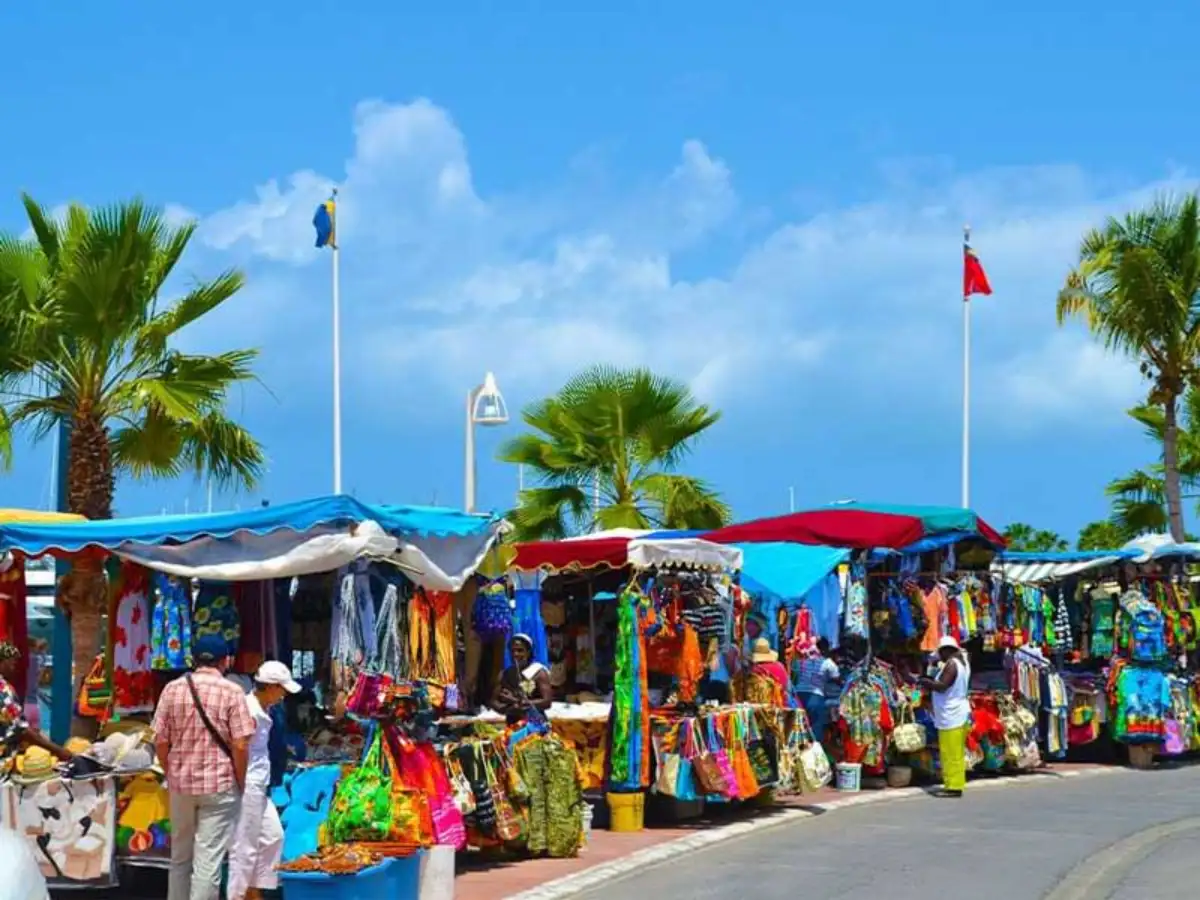
Starting with Marigot is an excellent idea to discover the most authentic side of Saint Martin. Capital of the French side, the town blends a waterfront, colorful houses, Creole atmosphere, small shops and a local market. At the end of Rue de la République, the Marigot market livens up the waterfront almost every day and gives a wonderful glimpse of local flavors: spices, tropical fruits, crafts and the island's pace of life.
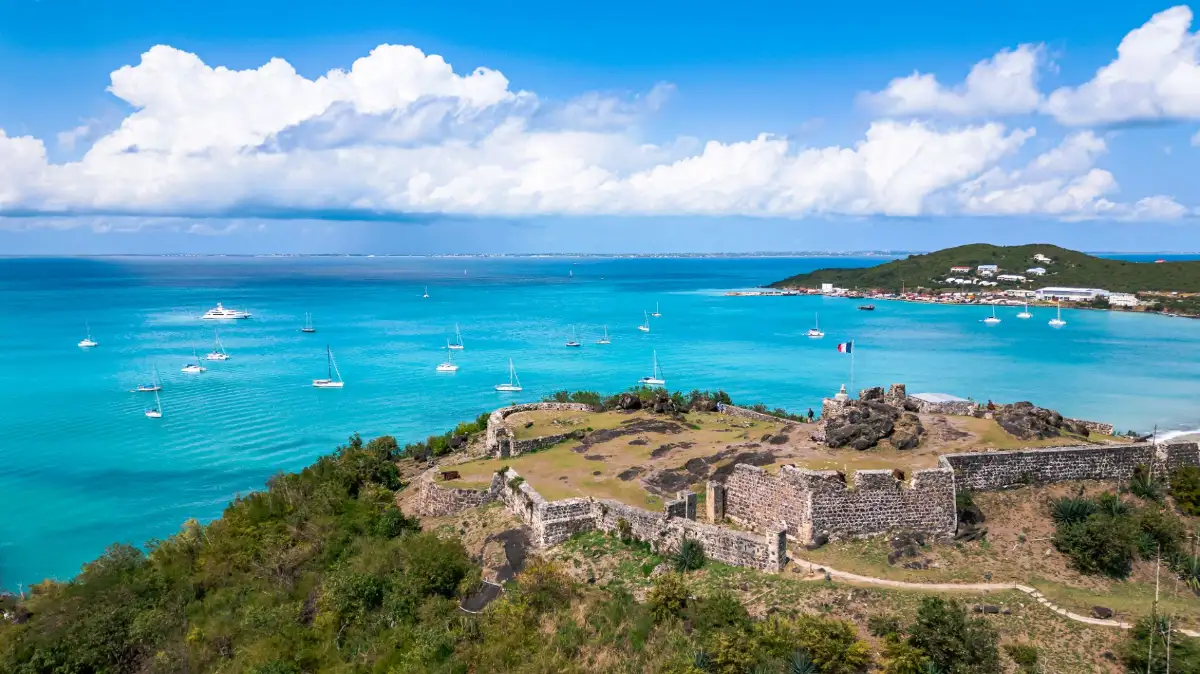
Just above the bay, Fort Louis is one of the island's most significant historical sites. Built in 1789 under the initiative of Chevalier Jean-Sébastien de Durat, Governor of Saint Martin and Saint Barthélemy, it was erected on the orders of King Louis XVI to defend the port's warehouses against pirate attacks and English forces from Anguilla. After climbing 91 stone steps, the panorama amply rewards the effort: Marigot Bay, turquoise waters, the island of Anguilla and Sandy Ground unfold before your eyes.
Did you know?
Originally built of wood, Fort Louis was rebuilt in stone in the early 19th century. Abandoned in 1851, it was restored between 1993 and 1994 by the Hope Estate Archaeological Association in collaboration with French authorities. Access is free and open year-round.
Grand Case: The Most Gourmet Village in Saint Martin
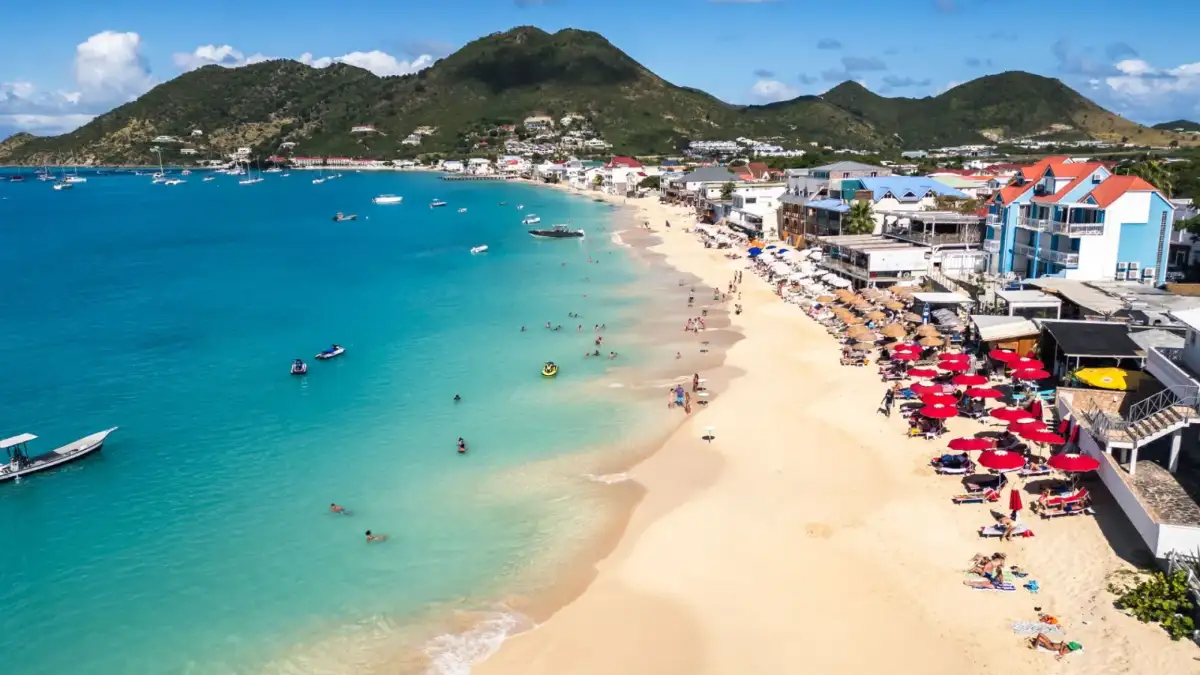
Grand Case is often the favorite discovery of visitors. A former fishing village in the northwest of the island, it has retained much of its charm with its beach, low-rise houses, waterfront and a more peaceful atmosphere than other areas. But Grand Case is best known for its culinary scene: the Tourism Office presents it as the gastronomic capital of the Caribbean, with a succession of restaurants each offering their own interpretation of flavor.
At the heart of the village, the lolos, those typical small restaurants of about thirty square meters where barbecue is king, serve authentic local cuisine: curry chicken, conch fricassee, fresh fish, spicy shrimp and the famous Journey Cake, a traditional Saint Martin bread. Among the most renowned addresses, Sky's the Limit, run by Jaqueline and Émile Lake for over 20 years, won the Best BBQ award at the Gastronomy Festival in 2023 and 2024.
Grand Case isn't just a place for great food. Its beach is pleasant for relaxing in front of often calm waters, and it's also the starting point to Rocher Créole, one of the bay's iconic spots for snorkeling and discovering marine life. For many travelers, this is where Saint Martin reveals its most successful blend of easy living, turquoise sea and culinary art.
Orient Bay: The Island's Iconic Beach
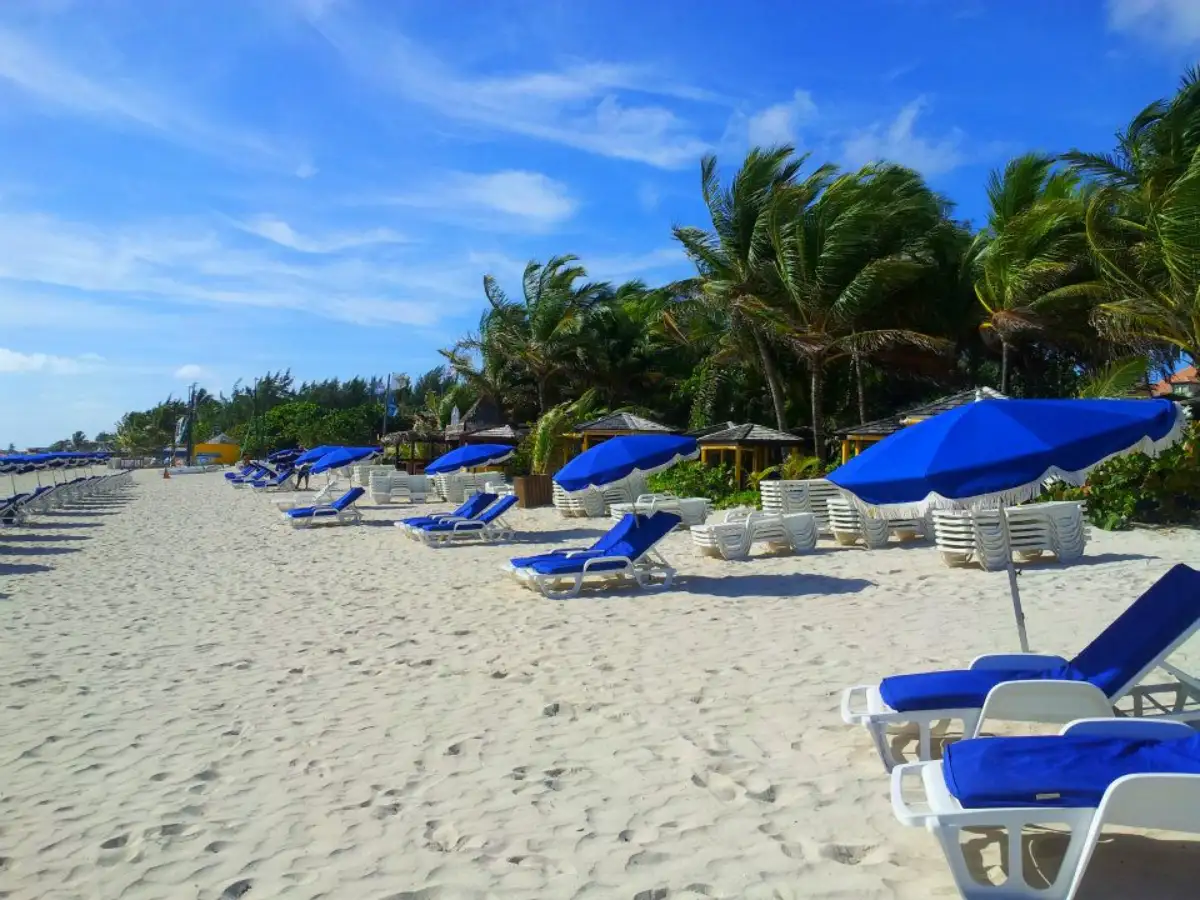
When wondering what to see in Saint Martin, Orient Bay almost always comes up. This long white sand beach, often nicknamed the Saint-Tropez of the Caribbean, stretches for about 2 kilometers and concentrates much of the island's beach energy. People come for the scenery as much as the atmosphere, with its beach restaurants, water activities and nearby village.
Orient Bay particularly appeals to travelers who want a lively, convenient and photogenic beach. It's an excellent choice for a full day by the water, with the option to have lunch on site, walk along the shore or try kayaking, jet-skiing or paddleboarding. Facing the beach, Îlet Vert, accessible in just a few minutes by boat, offers a more intimate complement for those who want to extend their swim in a wilder setting.
Pinel Island and the Nature Reserve: Saint Martin's Preserved Side
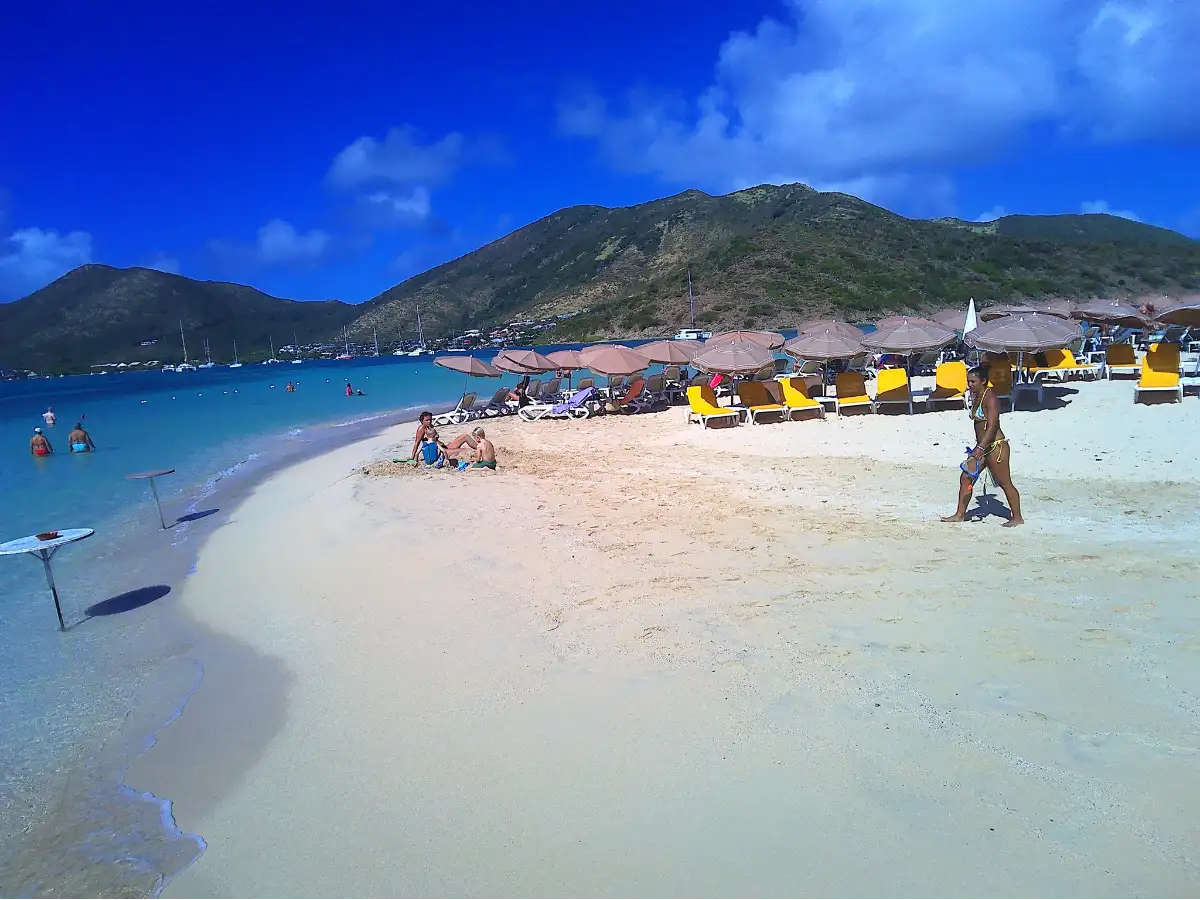
Located in the northeast, facing Cul-de-Sac, Pinel Island charms with its shallow waters, sheltered setting and gentler atmosphere. The Tourism Office indicates that shuttles run daily approximately every 30 minutes, at a fare of about €10 or $12, making it a very accessible excursion. On site, two waterfront restaurants serve grilled fish and cocktails facing a picture-perfect panorama.
Pinel is part of the Saint Martin National Nature Reserve, established in 1998 and extending over 3,060 hectares, including 154 hectares of land, 104 hectares of lagoons and nearly 2,900 hectares of sea. This protected area is home to 5 distinct ecosystems (dry coastal forests, mangroves, ponds, coral reefs and seagrass beds), 1,267 recorded species, 85 bird species including 55 protected ones, and 9 marine mammal species, including humpback whales and several dolphin species.
This ecological richness provides a different reading of the island, wilder and more authentic, far from purely beach-focused clichés. It's a wonderful outing for those who want to see a Saint Martin committed to protecting its natural heritage.
Pic Paradis and Loterie Farm: Seeing Saint Martin from Above
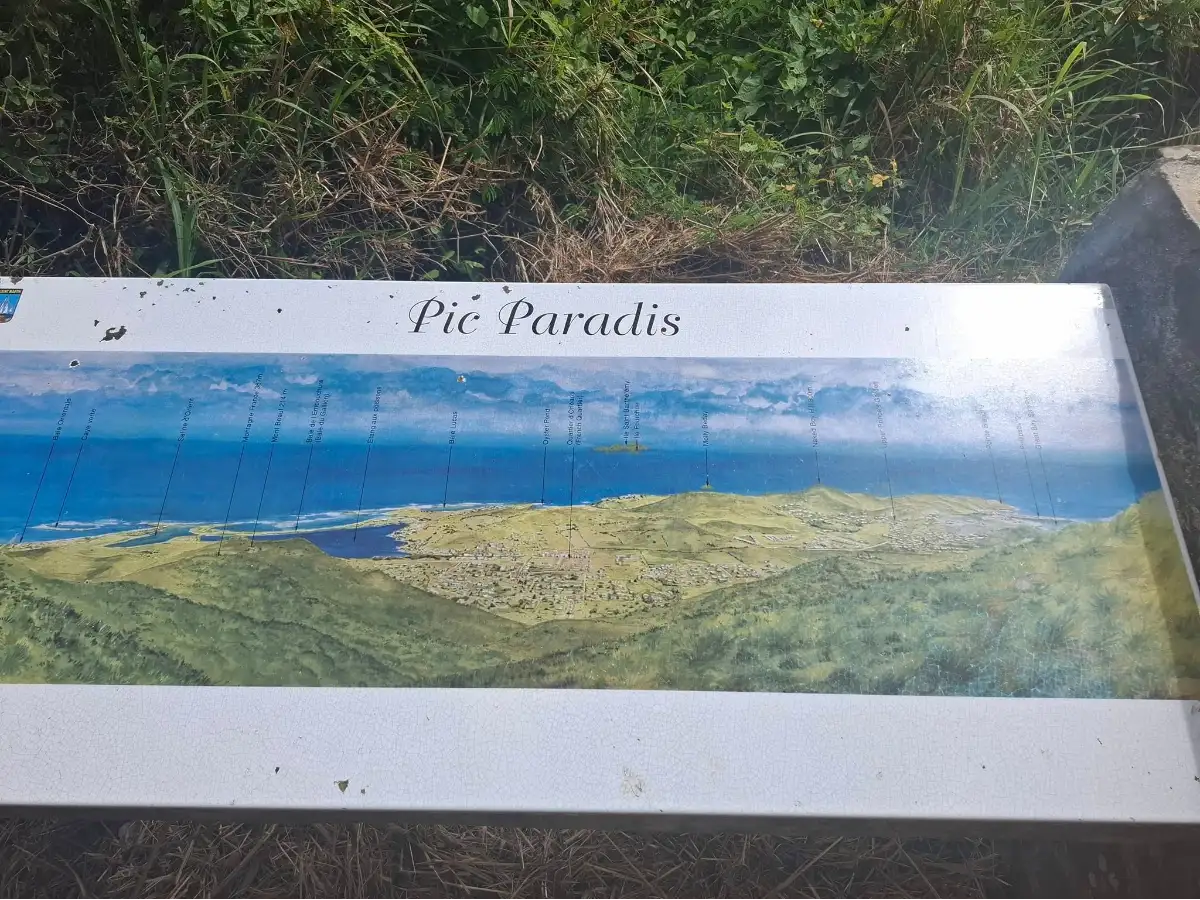
Many visitors think of beaches first, but the island's interior also deserves a detour. Pic Paradis rises to 424 meters and is the highest point of Saint Martin. From the heights, the view opens wide over the hills, lagoons, sea and several neighborhoods of the island. It's a striking contrast with the classic image of a beach resort.
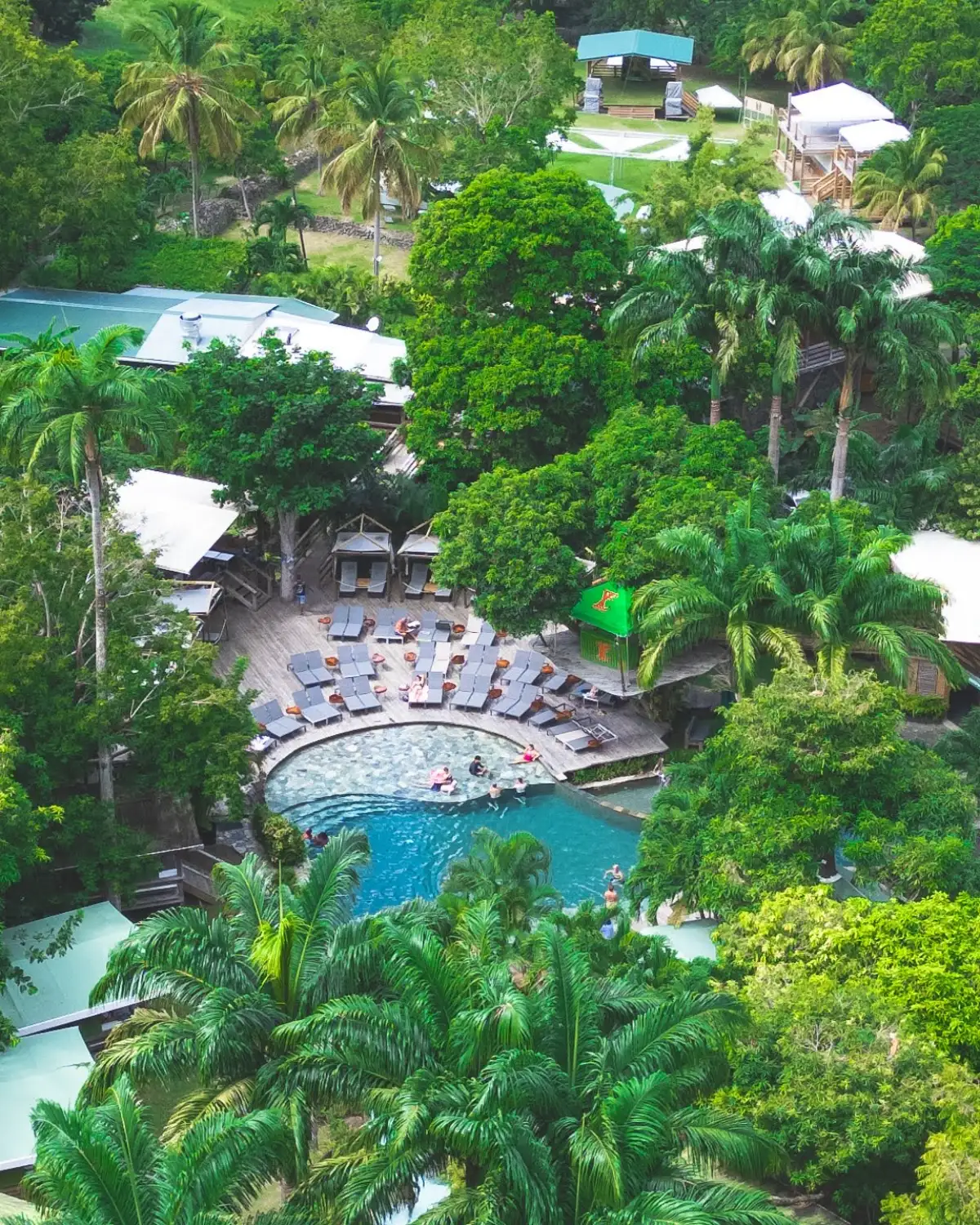
At the foot of Pic Paradis, Loterie Farm is a private estate of 54 hectares of preserved tropical forest, regularly presented by the Tourism Office as a must-visit stop. The site offers the Fly Zone, a canopy adventure course with zip lines, monkey bridges and platforms (€40 per person, duration 45-60 minutes, minimum height 1.40m). Hikers can take the main 4-kilometer loop to the summit for €5 per person, allowing about 1h30 of walking.
Practical info
The Loterie Farm Fly Zone operates from 9am to 3:30pm in high season, with departures every hour. Closed-toe shoes required. Guided hikes require booking at least one day in advance. The site also includes a restaurant and swimming pool.
Philipsburg and Great Bay: The Island's Other Face
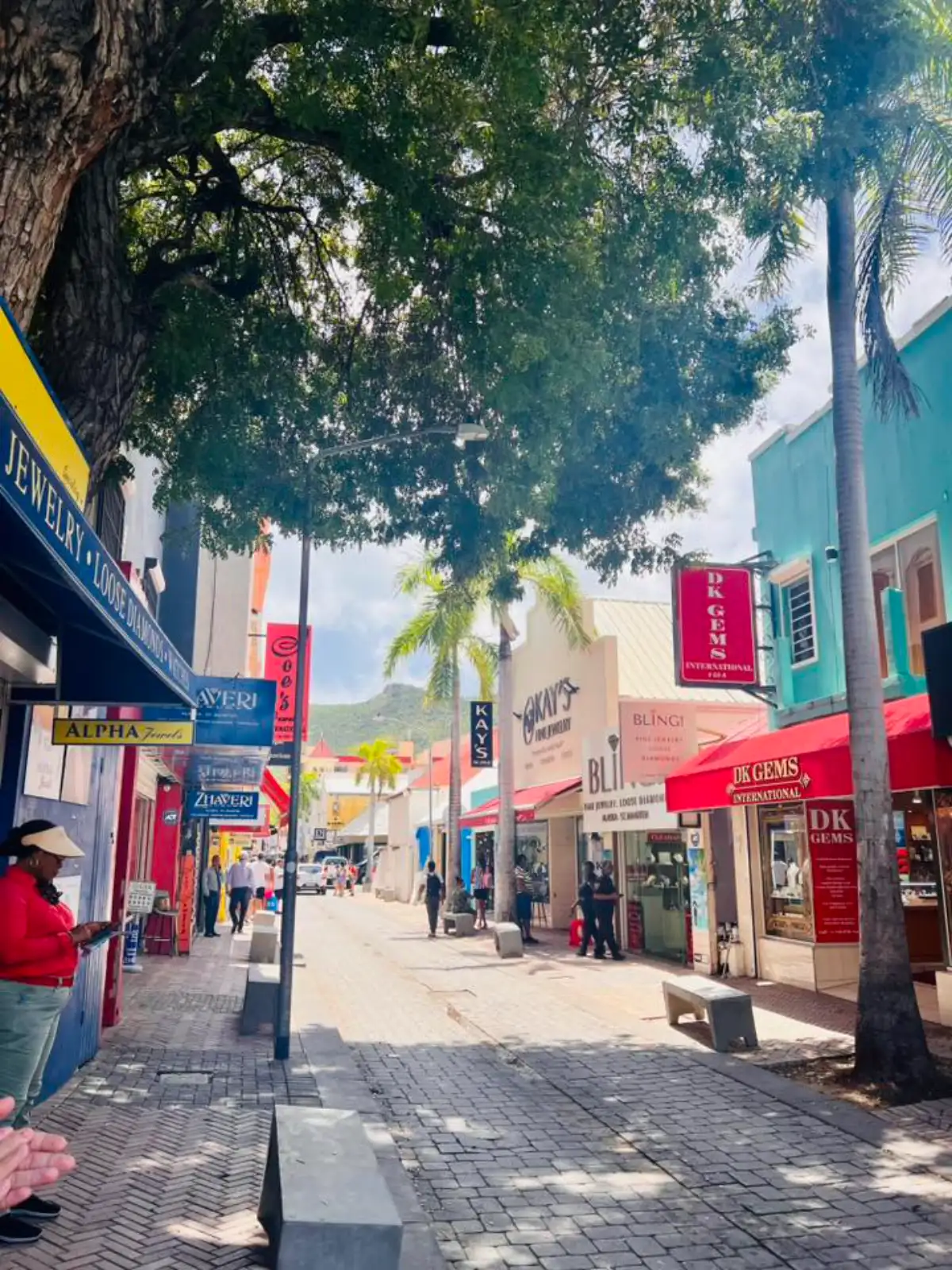
On the Dutch side, Philipsburg is almost a required stop. The capital stretches between Great Bay Beach and the Great Salt Pond, with an easy-to-explore center, a lively promenade, numerous duty-free shops, restaurants and a very vibrant boardwalk. The town offers a more urban, commercial and dynamic atmosphere than Marigot, while maintaining a very pleasant waterfront setting.
Philipsburg is fascinating precisely because it shows the contrast between the island's two cultures. In just a few hours, you can go from a Creole market in Marigot to a more cosmopolitan stroll on Front Street or the Boardwalk. Fort Amsterdam, the oldest Dutch fort on the island, bears witness to the colonial history of the Dutch side. For a visitor who truly wants to understand Saint Martin, seeing both capitals provides a much more complete vision of the territory.
Maho Beach: Saint Martin's Most Spectacular Spot
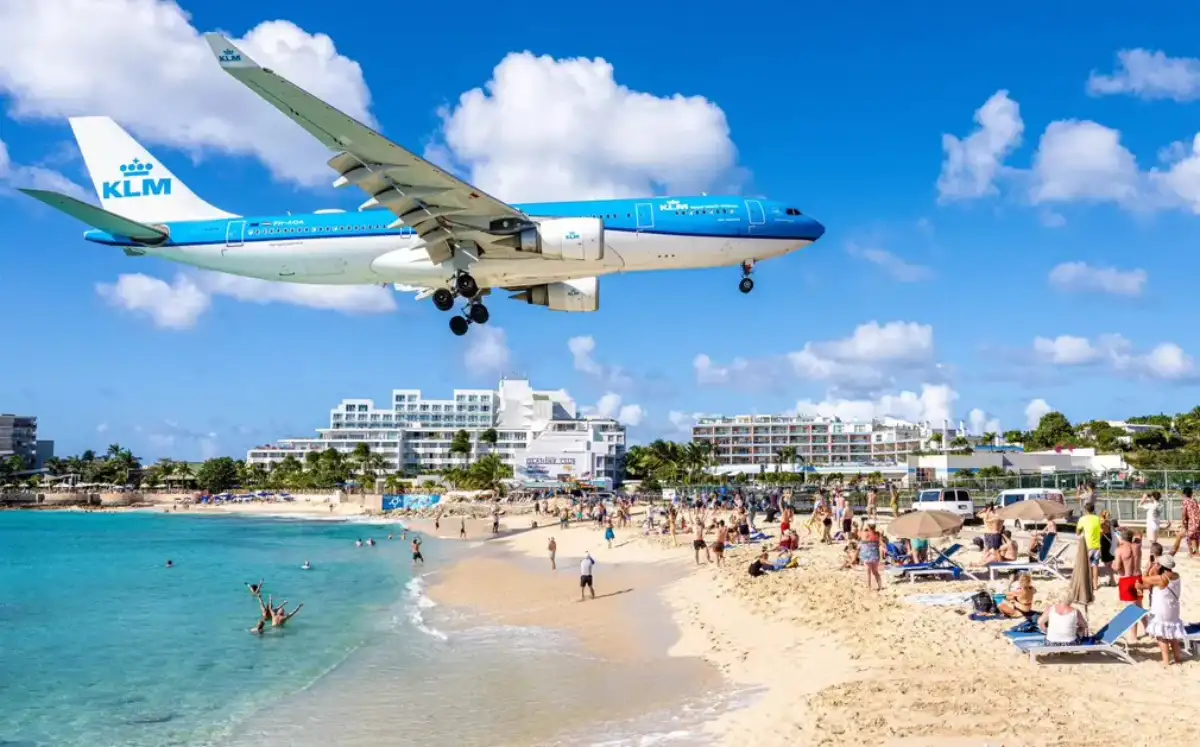
You can't talk about places to see in Saint Martin without mentioning Maho Beach. Located right in front of Princess Juliana International Airport runway, this beach is known worldwide for its spectacular plane approaches. The runway, originally built by the US Army in 1942 for submarine search missions, is separated from the beach by a single road. Planes pass less than 100 feet above swimmers, a unique spectacle comparable only to Skiathos Airport in Greece.
During peak season, 50 to 70 planes land daily, offering an almost constant show. Maho may not be the calmest beach in Saint Martin, but it's clearly one of the most memorable. Beach bars, including the famous Sunset Bar, broadcast landing schedules so nobody misses the big jets. It's the kind of place that captures attention and stays etched in memory.
More Beautiful Places to Discover Off the Beaten Path
To further enrich the experience, some quieter spots deserve a mention.
Friar's Bay
A family-friendly beach in the northwest, facing the island of Anguilla. Its calm, shallow waters, sheltered from the swell, make it an excellent choice for a relaxed lunch with your feet in the sand.
View beach detailsHappy Bay
Accessible only on foot from Friar's Bay (10-15 minute walk), this secret beach retains a wild, preserved spirit. Golden sand, crystal-clear turquoise water, very few people even in high season. Bring water and provisions as there are no facilities on site.
Mullet Bay
On the Dutch side, Mullet Bay is one of the most renowned beaches for its beautiful turquoise waters. Ideal for snorkeling, it also offers stunning sunsets over the Caribbean Sea.
View beach detailsBaie Rouge
Known for its pink-tinted sand and stunning views of Anguilla, Baie Rouge is a hidden treasure in the Terres Basses area. Best enjoyed in the morning to take advantage of the light.
View beach detailsWhy Do Travelers Love Saint Martin So Much?
What makes Saint Martin so endearing is not just the beauty of its beaches. It's also the variety of experiences on a small island: a historic fort in the morning, lunch in Grand Case, a swim at Orient Bay, a sunset at Maho or a nature escape to Pinel and the Reserve. Very few Caribbean destinations offer such diversity in such a compact territory.
The island is home to over 120 nationalities and two distinct cultures (French and Dutch) that coexist without a physical border since the Treaty of Concordia signed in 1648. This uniqueness is felt in the gastronomy, architecture, spoken languages and general atmosphere. You can enjoy a Creole colombo at lunch and a Dutch pancake at teatime, while passing from one territory to the other without even noticing.
What to See in Saint Martin? Our Summary
Marigot and Fort Louis for history, Grand Case for atmosphere and gastronomy, Orient Bay for beach energy, Pinel for nature escape, Pic Paradis for panoramas, Philipsburg for its Dutch-side vibe and Maho for its unique spectacle. The ideal isn't to choose just one place, but to compose your own itinerary between sea, nature, culture and gourmet pleasures. It's precisely this diversity that makes Saint Martin such a unique island in the Caribbean.