Currency & Payments
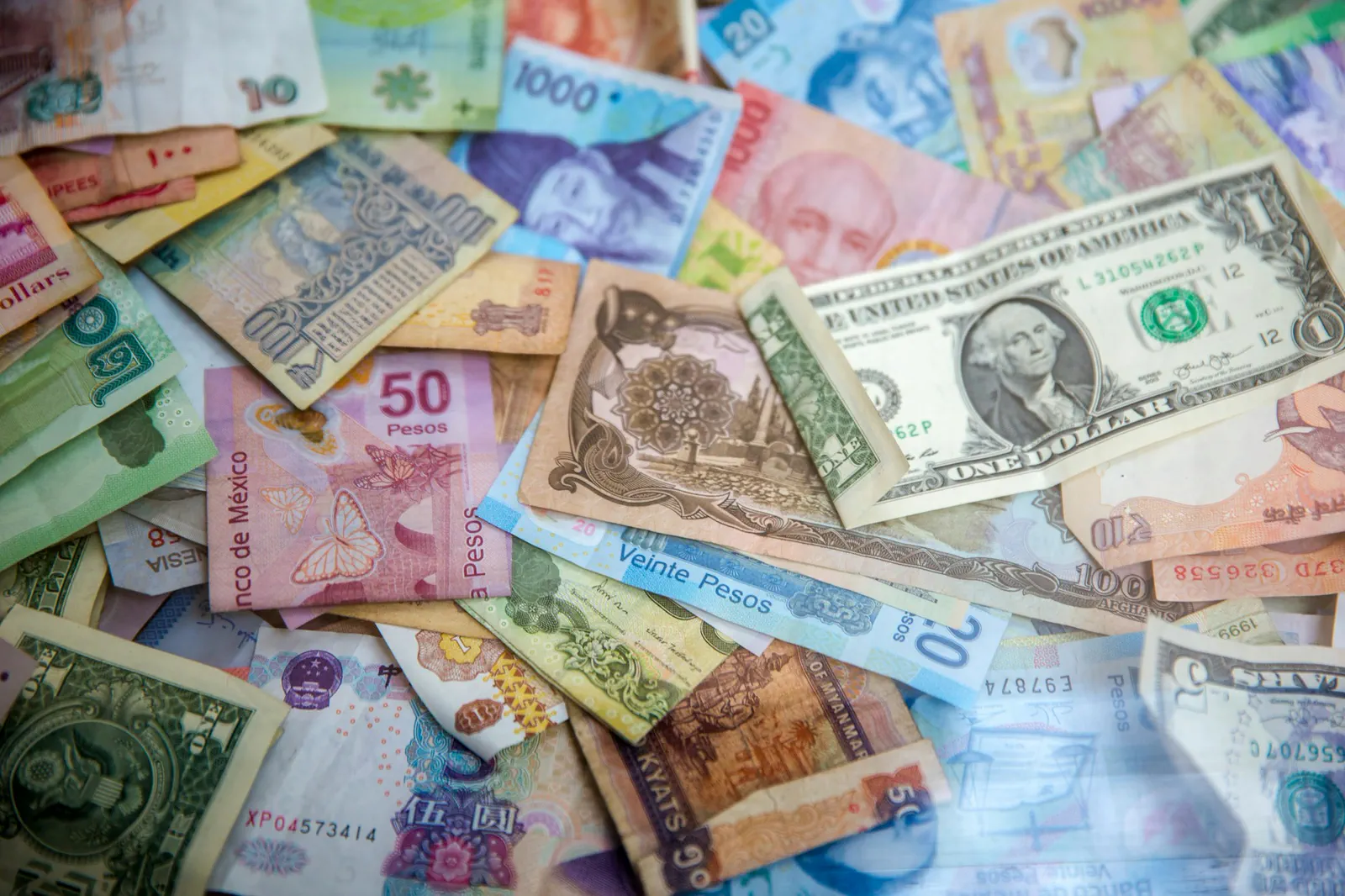
Saint Martin is a unique island: two countries, three currencies. On the French side, it's the euro. On the Dutch side (Sint Maarten), it's the Caribbean guilder and the US dollar. In practice, the US dollar is accepted everywhere on the island, on both sides of the border.
The 3 currencies used in Saint Martin
Euro (€)
French sideThe euro is the official currency of the French part (Collectivité de Saint-Martin). All shops, restaurants and service providers accept it. It's the most practical currency if you're staying on the French side.
US Dollar (USD)
Whole islandThe US dollar is accepted everywhere on the island, French and Dutch sides alike. It's the most universal currency in Saint Martin. Many businesses even display their prices in dollars, including on the French side.
Caribbean Guilder (XCG)
Dutch sideThe official currency of Sint Maarten and Curaçao, the Caribbean guilder (XCG) replaces the former Netherlands Antillean guilder (ANG). Locally, this currency is often called NAf. Its rate is fixed: 1 USD = 1.79 XCG. In practice, it's rarely used by tourists: the US dollar is widely preferred and accepted everywhere on the Dutch side.
Our tip
Bring US dollars for your daily expenses. They're accepted everywhere. If you're staying exclusively on the French side, euros will be enough. Don't bother exchanging to guilders: it's unnecessary for tourists.
Currency converter
Daily exchange rates from the European Central Bank. The Caribbean guilder (XCG) has a fixed rate: 1 USD = 1.79 XCG.
Unable to load rates. Please try again later.
Credit & debit cards
Visa and Mastercard are accepted in the vast majority of shops, restaurants and hotels on both sides of the island. American Express is less common. A few important points:
Foreign transaction fees
Check with your bank about conversion and foreign transaction fees. Some digital banks (N26, Revolut, Wise) offer favorable conditions for foreign currency payments.
Contactless payments
Contactless (NFC) payments are available in most modern shops, especially on the French side. On the Dutch side, it's slightly less common.
Small businesses
Small shops, food trucks (lolos), street vendors and some taxis only accept cash. Always carry some cash on you.
Apple Pay / Google Pay
Work on NFC-compatible terminals, mainly modern stores and supermarkets.
ATMs
You'll find ATMs in the main areas of the island. Here are the key locations:
French side
- Marigot (downtown, marina)
- Grand Case
- Super U (Hope Estate)
Dutch side
- Philipsburg (Front Street)
- Simpson Bay
- Princess Juliana Airport (SXM)
Use bank-affiliated ATMs (not those in shops) to minimize fees. If your card is in euros, withdraw euros on the French side to avoid conversion charges.
Tipping
Tipping is not mandatory in Saint Martin, but it's appreciated and part of the local culture, especially on the Dutch side.
Restaurants
10 to 15% of the bill if service is not included. Check your receipt: on the French side, service is often included. On the Dutch side, it rarely is.
Taxis
10% of the fare, or round up to the nearest dollar.
Hotels
$1 to $2 per bag for the bellhop. $1 to $2 per night for housekeeping.
Bars & beach bars
$1 per drink, or 15% of the tab.
Money-saving tips
Pay in local currency: euros on the French side, dollars on the Dutch side. You'll avoid unfavorable exchange rates applied by merchants.
Choose "without conversion" if the payment terminal offers to charge you in your home currency. Dynamic Currency Conversion (DCC) is always more expensive.
Withdraw cash in one or two larger amounts rather than many small ones, to minimize fixed per-withdrawal fees.
Use a multi-currency card (Wise, Revolut) to pay directly in dollars or euros with no conversion fees.
Exchange rates and information are provided for reference only. Check conditions with your bank before your trip.