
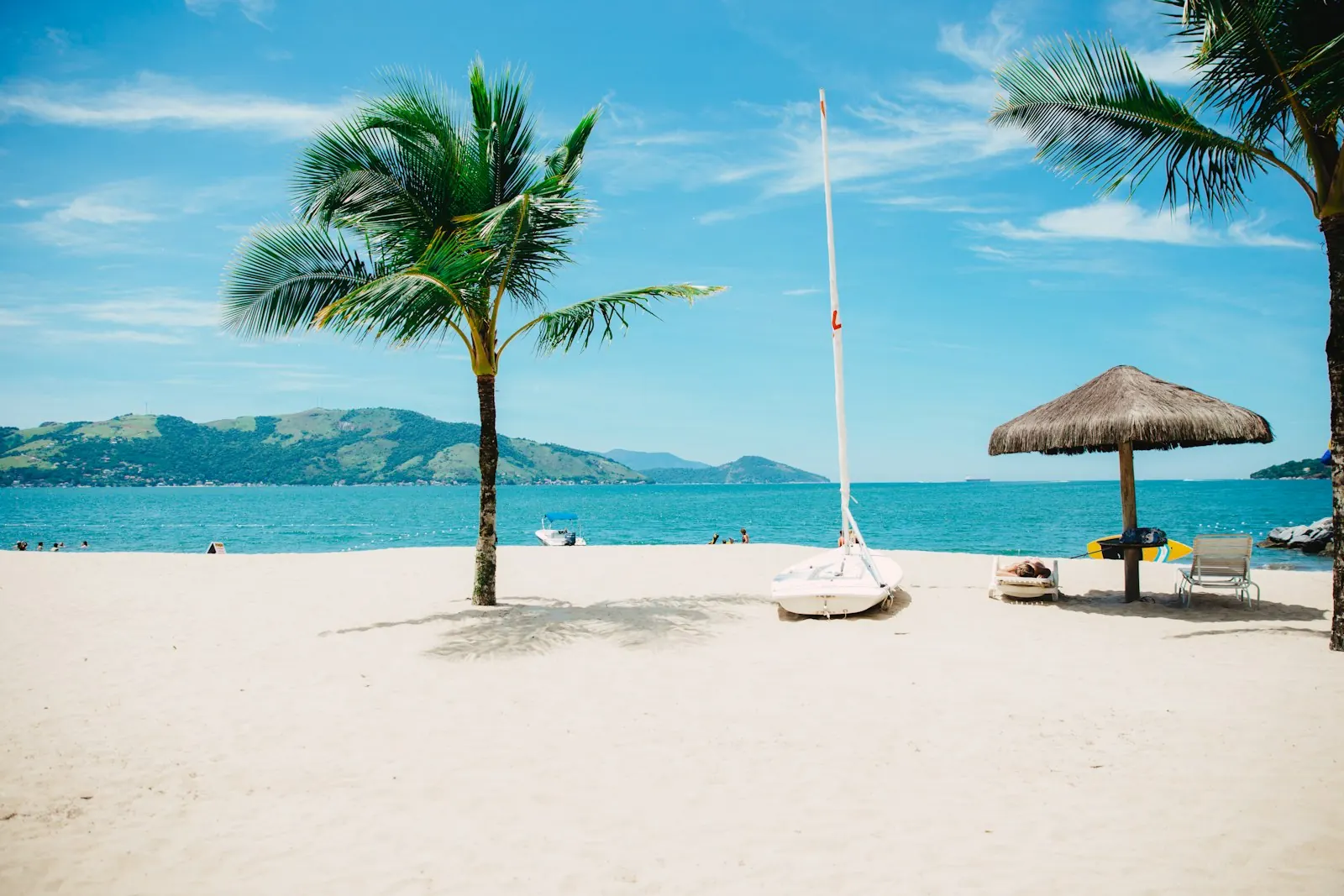
Saint Martin is one island and two countries: the French side in the north, and the Dutch side, Sint Maarten, in the south. There is no border between them, and you cross from one to the other without even noticing.
That is what makes the island so charming, and also the source of a few small surprises on a first visit. Nothing complicated, we promise. Give us five minutes and you will leave with peace of mind.
A little quiz before you go
Six common beliefs about the island. True or false? Give it a try, the answer appears under each question.
You need to show your passport to cross from the French side to the Dutch side.
False: there is no checkpoint between the two sides, just a sign. Your passport is checked when you land at Princess Juliana Airport.
Uber works on the island.
False: there is no Uber or Lyft. Taxis charge fixed fares per trip, just ask the price before getting in.
You can lay your towel on the beach in front of a big hotel.
True: all beaches are public. Only the hotel's loungers and umbrellas are reserved for guests.
A bridge can block your way for 20 minutes.
True: the Sandy Ground, Simpson Bay and Causeway bridges open at set times to let boats through.
There is only one carnival a year.
False: there are two! The French side celebrates around Mardi Gras, the Dutch side in late April.
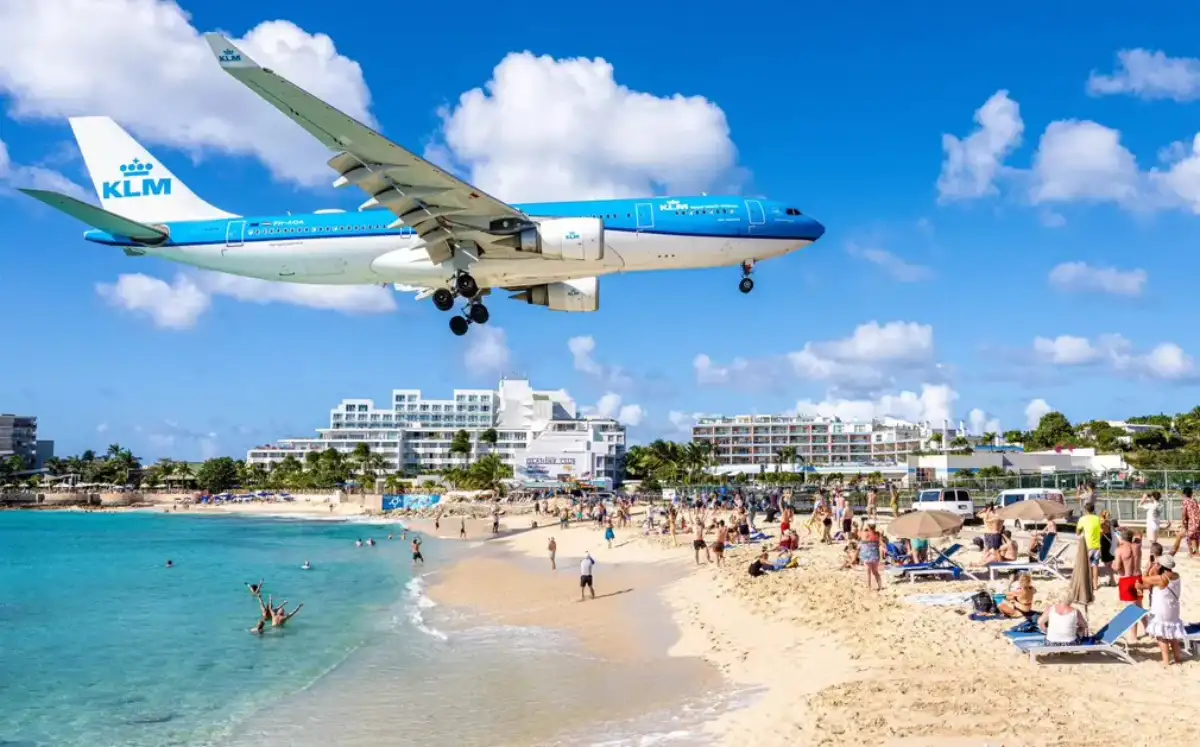
At Maho Beach, planes fly right over the beach.
True, and it is impressive. But during takeoff, jet blast is dangerous: stay well away from the fence.
When to go
It is warm all year, between 80 and 90 °F, with the sea around 81 °F. The real question is rain, crowds and prices.
December to April is high season: dry weather, pleasant trade winds and a lively island. It is also the most expensive time, especially over the holidays. If you are aiming for these dates, book flights, accommodation and car several months ahead.
May and June are often our pick for a first visit: the weather is lovely, prices drop and beaches are quieter.
July to November is the wet and hurricane season. Showers are frequent but short, and prices are at their lowest. Just know that in September and October, many restaurants and hotels close for their annual break. If you travel then, cancellation insurance is a good idea.
For month-by-month details, see our weather and best time to visit page.
French side or Dutch side?
It is often the first question, and there is no wrong answer. The island is small: wherever you stay, you will enjoy both sides.
The French side feels more like a village and is quieter. People come for the food, in Grand Case especially, for beaches like Orient Bay or Anse Marcel, and for a slightly more natural atmosphere.
The Dutch side is livelier: bars, casinos, duty-free shops, and the airport close by. Simpson Bay and Maho are a good fit if you like going out at night.
Our guide on where to stay in Saint Martin covers each area.
Getting around the island
If we could give you only one tip, it would be this one: rent a car. Buses only cover the main roads and taxis add up quickly. With a car, you can go wherever you like, at your own pace, including to the prettiest little beaches.
A few tips to keep things smooth:
- Book before you fly, especially in high season: airport rental desks run out of cars fast.
- When you pick up the car, film a full walk-around. It avoids any discussion at return.
- Drive slowly: speed bumps are everywhere and not always marked.
- If you can, avoid rush hour (7-9 AM and 4-6 PM) around Simpson Bay, Cole Bay and Sandy Ground. Also keep the drawbridges in mind, which open at set times (see the schedule).
Without a car, it is doable too. Taxis charge fixed fares per trip: simply ask the price before getting in. At the airport, taxis are shared, so there may be a few stops. Minibuses marked "BUS" run along the main roads for a few dollars, just wave them down.
To learn more: car rental and taxis in Saint Martin.
Money and budget
On the French side, prices are in euros. On the Dutch side, the official currency is the Caribbean guilder, but US dollars are accepted everywhere, and they are what you will see on most price tags. There is no need to get guilders.
Cards are accepted almost everywhere. Still, keep a little cash for lolos, the small local eateries often by the roadside, as well as for taxis and markets. If a card terminal on the French side offers to charge you in dollars, choose euros instead: it is almost always cheaper.
For tipping, check the bill on the Dutch side: many restaurants already add a 15% service charge. On the French side, service is included, and a little extra is appreciated if you are happy.
| A plate at a lolo | $15-22 |
| A main course at a restaurant | $28-45 |
| A cocktail at a beach bar | $9-15 |
| Two loungers and an umbrella | $20-35 |
| Pinel Island ferry (round trip) | $12-16 |
| A rental car, per day | $40-65 |
All the details are on our currency and payments page.
At the beach
All beaches on the island are public, even those in front of big hotels. Only loungers and umbrellas cost money. A few precautions are all you need:
- The sun is much stronger than you may be used to, even on cloudy days. SPF 50, a hat, and take it easy on day one.
- The manchineel tree, which grows on some beaches, is toxic: do not touch its small green fruit and do not shelter under it when it rains. It is often marked with a red band on the trunk.
- Sea urchins love rocky bottoms: water shoes come in handy for snorkeling.
- On the east coast, facing the Atlantic, waves and currents are stronger. If sargassum, a brown seaweed, washes up there, head west, from Baie Rouge to Mullet Bay, which is usually spared.
- In the car, leave nothing visible, even for a few minutes. It is the most common minor issue on the island.
A few local customs
- Say hello when you walk into a shop. It sounds simple, but it really changes the welcome.
- The pace is relaxed, and service can take its time. Enjoy it, you are on vacation.
- On Sundays, many shops and supermarkets close or close early. Do your grocery shopping on Saturday.
- Swimwear is for the beach. In town and in shops, people cover up a little.
- English is spoken everywhere, on both sides of the island.
- The French side uses European plugs (230 V): bring an adapter if you stay there.
Our favorites for a first stay
If you only had time for a few things, these are the ones we recommend to our friends and family.
Dinner in Grand Case
Restaurants with your feet almost in the sand, and lolos for grilled food at friendly prices. On Tuesday evenings from January to April, the main street comes alive with music and craft stalls.
A morning on Pinel Island
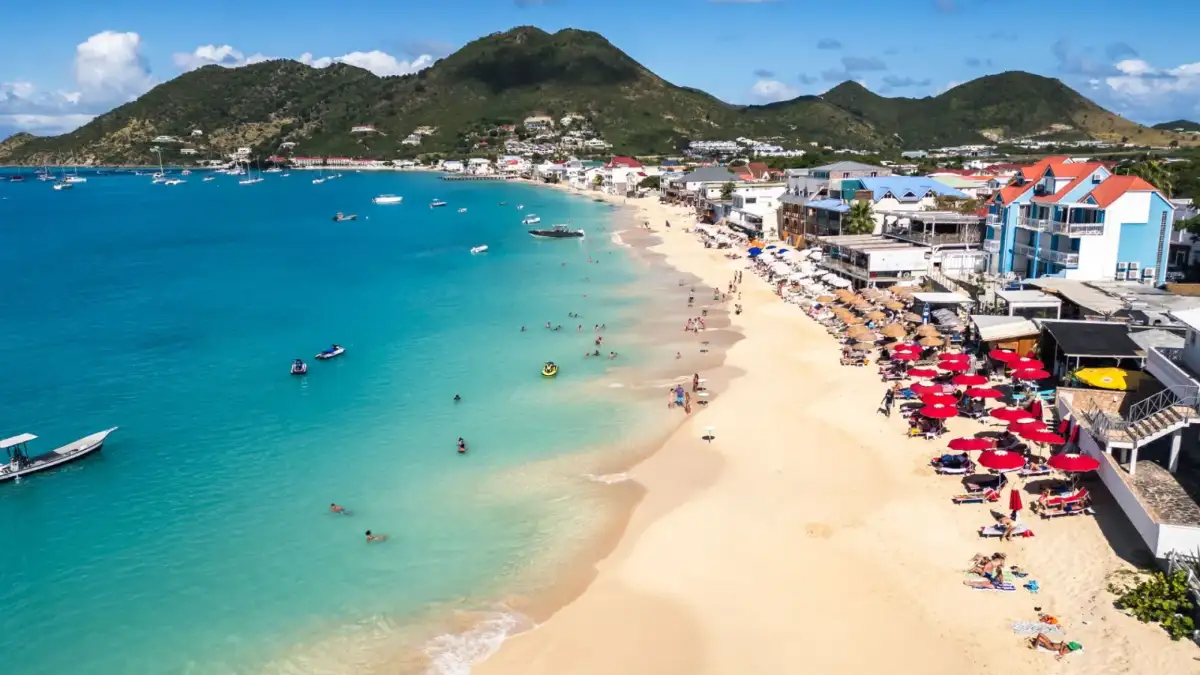
A small ferry leaves from Cul-de-Sac for a five-minute crossing. Go early: the beach is still quiet and the water is an incredible turquoise.
Strolling through Marigot Market
On Wednesday and Saturday mornings, for spices, fruit and infused rums. Then walk up to Fort Louis for the view over the bay.
A boat trip to Tintamarre
A wild islet off Orient Bay, where you often get to swim with sea turtles.
Hiking up Pic Paradis
The island's highest point, at 1,391 feet. Set off early in the morning, before the heat.
And for more ideas, explore all the island's must-sees.
Before you go: a short checklist
- A valid passport.
- The ED Card, filled out online on entry.sx before your flight: it is required to land at Princess Juliana Airport.
- Travel insurance, ideally covering medical costs and cancellation.
- Your rental car, booked ahead.
- An eSIM installed before departure, so you have data as soon as you land.
- Sunscreen, mosquito repellent and water shoes in your suitcase.
More details on entry requirements and how to choose your eSIM.
If you need help
We hope you will never need them, but it is good to know:
- French side: 15 (ambulance), 17 (police), 18 (fire) or 112.
- Dutch side: 912 (ambulance), 911 (police), 919 (fire).
Hospitals and on-duty pharmacies are listed on our health and pharmacies page.
Frequently asked questions
How many days do you need in Saint Martin?
A week is ideal: enough to explore both sides, take a boat trip and enjoy the beaches without rushing. Five days is the minimum.
Do I need a passport to visit Saint Martin?
Yes. Travelers from the US, Canada and the UK need a valid passport, and arrivals at Princess Juliana Airport also require the online ED Card. Most of these travelers need no visa for a stay under 90 days.
Is Saint Martin safe for tourists?
Yes, with a bit of common sense. The most frequent issues are thefts from cars and on beaches: never leave belongings unattended and avoid isolated areas at night.
Can you visit Saint Martin without a car?
It is possible if you stay in one area, such as Simpson Bay, Grand Case or Orient Bay, and combine taxis and minibuses. But to explore the island and its beaches, a car is far more practical.
One last word
Take your time. Saint Martin is best enjoyed without an overloaded schedule: a beach, a good meal, a sunset, and one or two outings a day are all it takes for a wonderful vacation. Have a great trip, and welcome to the Friendly Island!
Prices, schedules and dates are indicative and may change.